Library of Congress credentials.
Garage-floor soul.™
Garage-floor soul.™

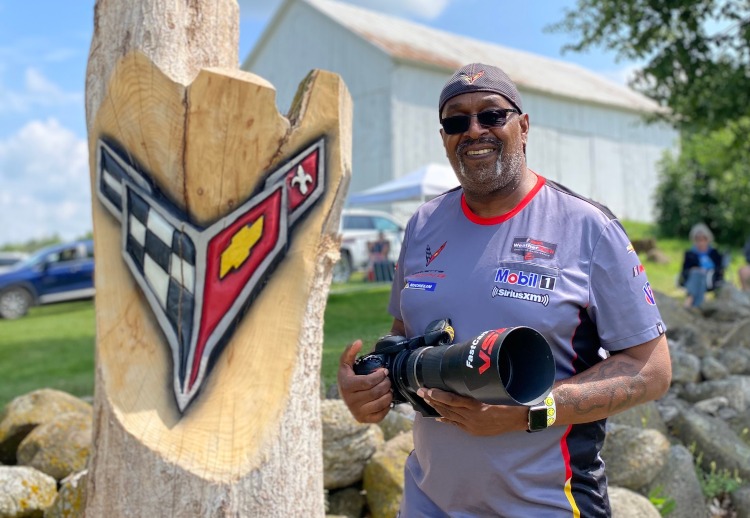
A photograph preserves a single moment’s energy, emotion, and intent.
When done well, a solitary frame can convey a powerful narrative few mediums can match. That’s why we were excited to meet Kurt Roussell while covering the Chattanooga Motorcar Festival.
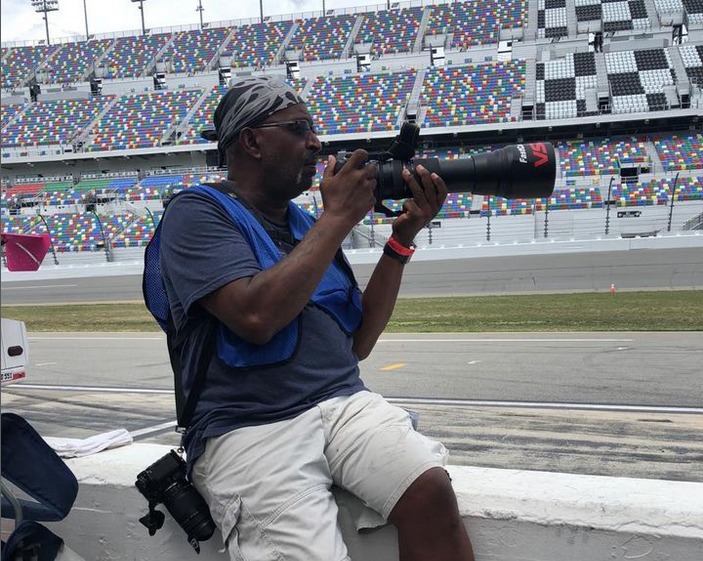
Kurt is an accomplished professional freelance motorsport photographer who travels the country covering racing action. His website, FastCarPhotos, is well-known in the racing community for its depth, breadth, and creative automotive photos.
As we came to find out, before being a photographer, Kurt served in the Milwaukee County Sheriff’s Department as a sergeant and is a lifelong Corvette lover.
So naturally, we had to know more.
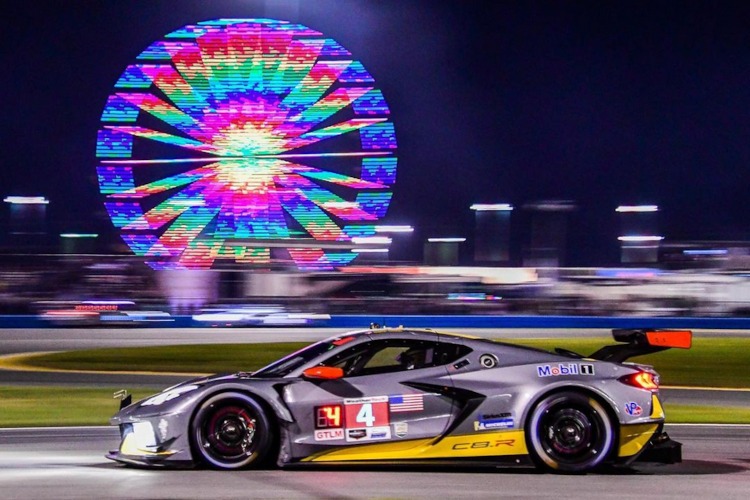
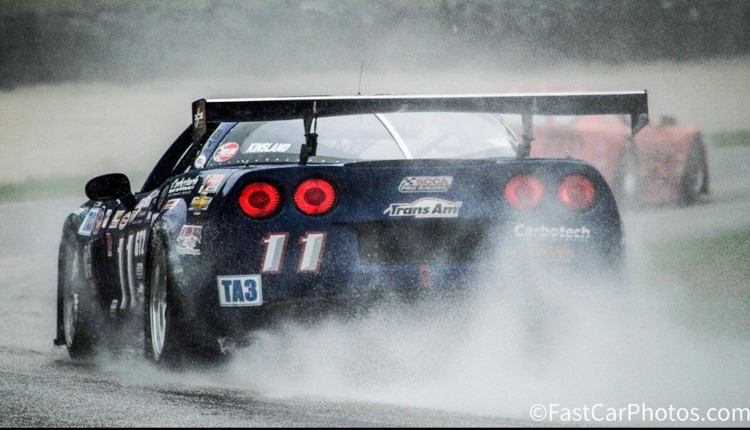
Rod Worley – Editor – When did the car bug bite you? Also, when did you get into automotive photography?
Kurt Roussell – Professional Photographer – I’ve been a car nut my whole life. My mom said I was born with an automotive dysfunction.
She used to bet people that I could tell them what kind of car they had and what engine it was just by hearing it. When I was 16, I had a 1964 Ford Galaxie 500 with a 390 with Thrush mufflers, air shocks, Mickey Thompson tires, etc.
From there, I moved to a fully loaded 1965 Chevy Impala SS with a 396 with port & polished heads, high compression pistons, cam, and headers. I was a typical hot rod kid back then.
So, in 2014, Michael Nowotny, a friend of mine, took me to Road America because he knew I loved photography. That lit the fuse, and it still burns today.
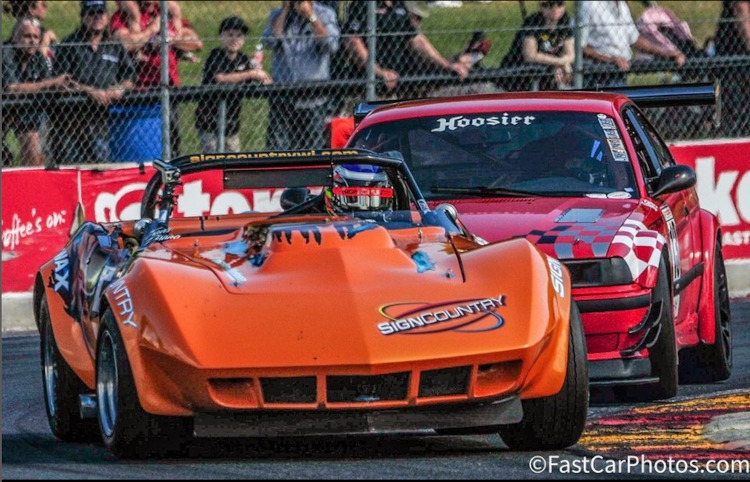
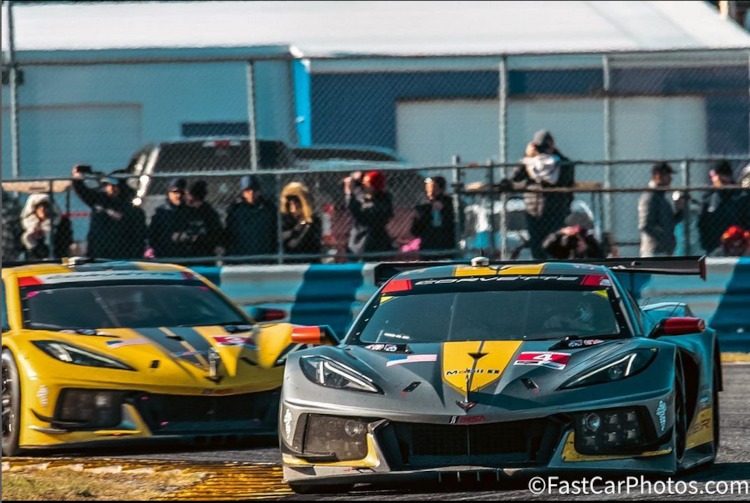
Rod Worley – Editor – While it’s less crucial than the photographers’ skill and experience, the right gear makes a difference. What are you using to photograph and edit your shots?
Kurt Roussell – Professional Photographer – My first digital camera was a Nikon 3200 years ago. Today, I use two Nikons, a D750 and a D7500.
One has a 150 – 600-millimeter zoom lens, and the other has a Tamron 18 – 400, which I use for nighttime shots. Both Nikons can connect to my iPad Pro via Bluetooth.
That allows me to quickly edit the photos at the track and post them on social media. I use a monopod, except for the speed shots and slower shutter panning shots, which are all done by hand.
I will take two to three thousand photos throughout the weekend, so I use Photo Mechanic to improve the workflow. This program lets you quickly catalog, rename, preview, and find the photo you need.
At the track, I use Adobe Photoshop Express with the iPad Pro to modify images and post them on social media.
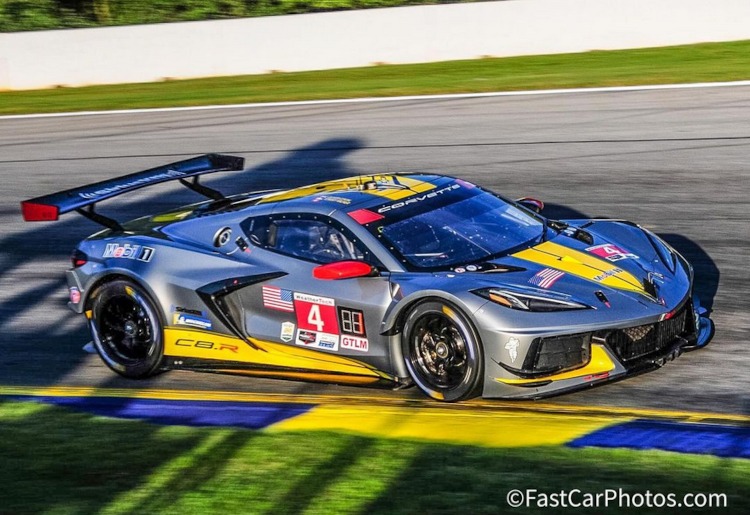
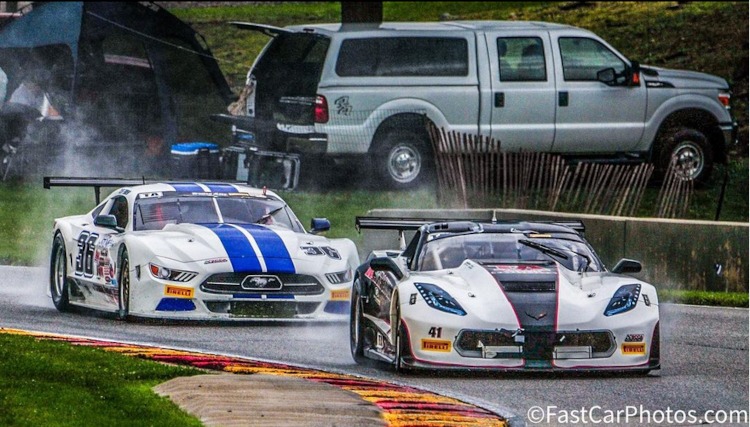
Rod Worley – Editor – When did you start FastCarPhotos, and what makes it unique among other track photography services?
Kurt Roussell – Professional Photographer – I started FastCarPhotos in 2018, and I invited my buddy, Mike Nowotny, who is also a retired deputy sheriff, to participate in the project.
What makes us unique is that we sell individual track photos at an affordable price. Most track photographers charge a flat fee where they will take shots of you and your team for the weekend.
The problem is that many grassroots teams spend all their budget on the car and getting to the track. They want professional photos for the team’s social media and advertisers but can’t afford the high flat rate.
Buying the photos individually makes sense for them, whether one or twenty. Also, it frees me up to shoot what interests me because I’m not tied to a team.
Rod Worley – Editor – Kurt, do you have any tips you could share with us weekend would-be track photographers?
Kurt Roussell – Professional Photographer – If it’s a track you haven’t been to before, I’d recommend scouting out the options long before the racing action starts.
Take a few photos in various areas to see what might look good. At this point, I’m looking at the different elements of the track that make it unique.
It might be a famous corner, an elevation change, or an area that lends itself to passing. Also, think about the background and overall photo composition.
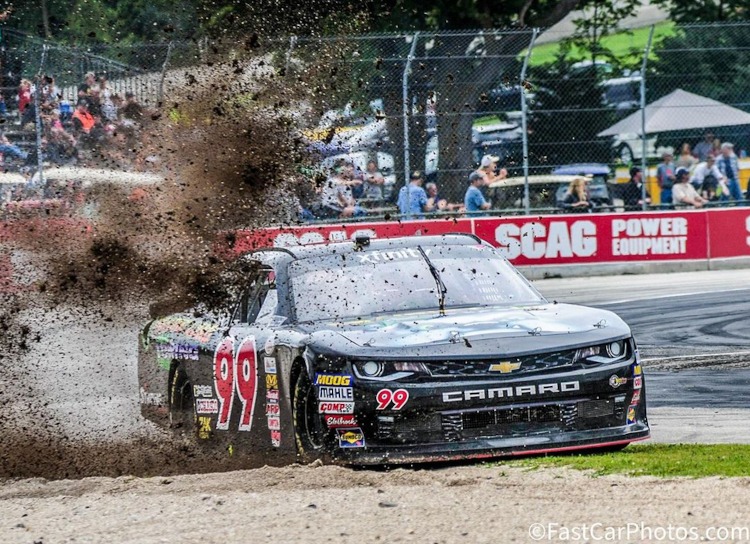
But my best tip is to read the road surface. Look for the skid marks and where people have gone off the track.
That’s typically one of the places you want to be because the cars are at the limits of tire adhesion. Some racers can control their race cars in those areas, while others can’t.
Either way, it’s a good spot because something exciting will probably happen there.
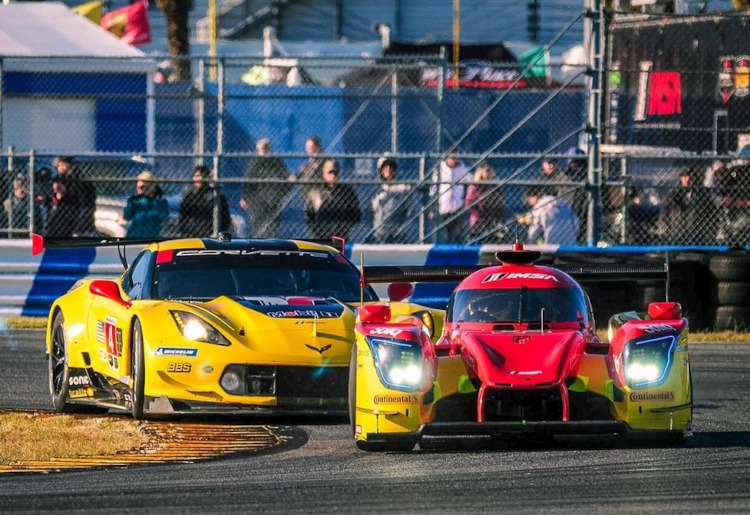
Rod Worley – Editor – Your images always seem to capture a sense of movement and speed. Is there a common mistake that amateurs make here when trying to show movement?
Kurt Roussell – Professional Photographer – The biggest mistake I see is that people think that because a vehicle is going so fast, they must use a super-fast shutter speed.
If you want a photograph of a race car that looks like it’s parked on the racetrack, that’s what you do because it freezes the image. There is no sensation of movement because the wheels don’t look like they’re turning.
If you look at my shots, you don’t see the spokes because I want to capture the sensation of speed. Typically, I set the camera to 250 to 320 shutter speed, maybe down to 200.
Occasionally, it’s 100 (or less) if I’m trying to get a more pronounced sense of speed. Of course, you have to pan with the image at those speeds, which takes a lot of practice.
But that’s the beauty of digital photography: you can take a thousand shots, and if they don’t turn out as you like, you delete them and try again.
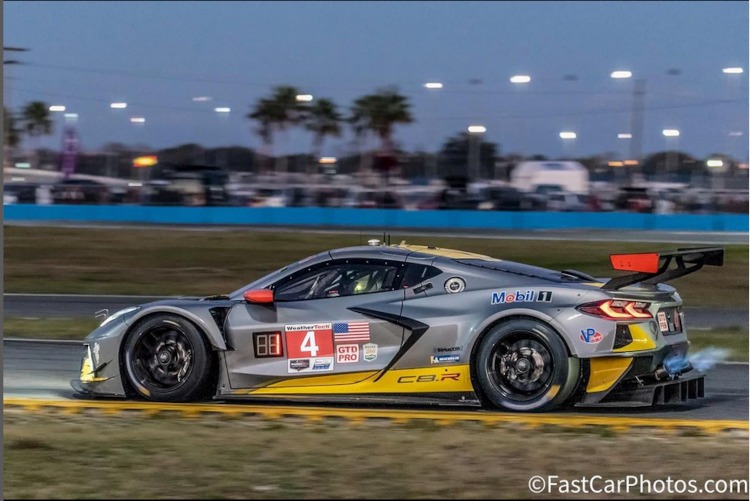
A skilled photographer can capture a story in a single frame that goes beyond the surface-level details of the shot. You can see that in the imagery Kurt has captured in these photos.
In our article, Victory Eludes C8.R Racing At IMSA Road America, you can also see that. We hope to bring you more of Kurt’s visual storytelling in our expanding race coverage.
So whether you’re a weekend grassroots racer or a full-time race team owner, remember Kurt Roussell from FastCarPhotos keeps all the racing action in focus.
Join a global community of Corvette stewards. Access forensic deep-dives and high-octane field records—delivered with total editorial independence.
START YOUR BRIEFING