

Key Takeaways: C6 Corvette Performance Era (2008–2010)
- The LS3 Revolution: The 2008 model year marked a pivotal shift with the introduction of the 6.2L LS3 V8, delivering 430 hp (436 hp with NPP exhaust). This replaced the LS2, offering superior top-end airflow and a higher ceiling for performance modifications.
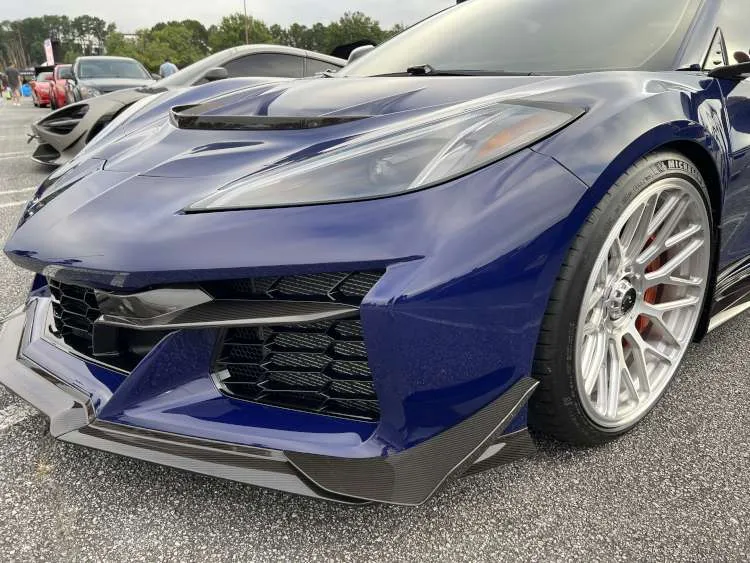
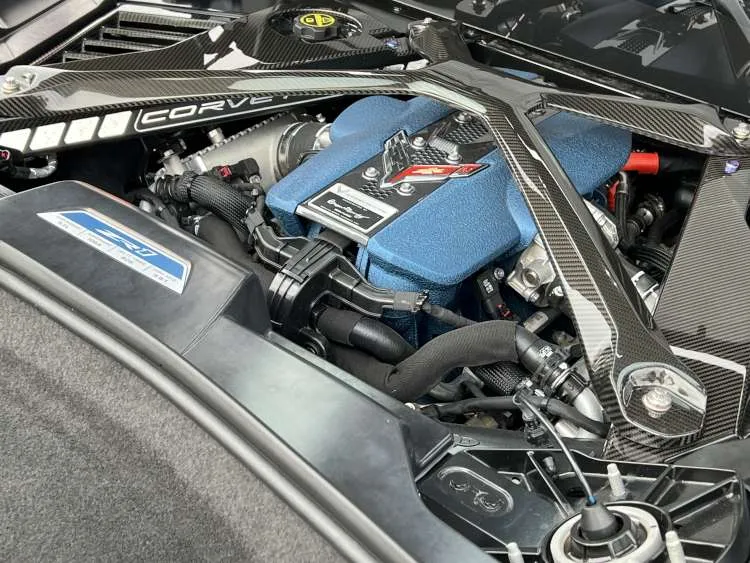
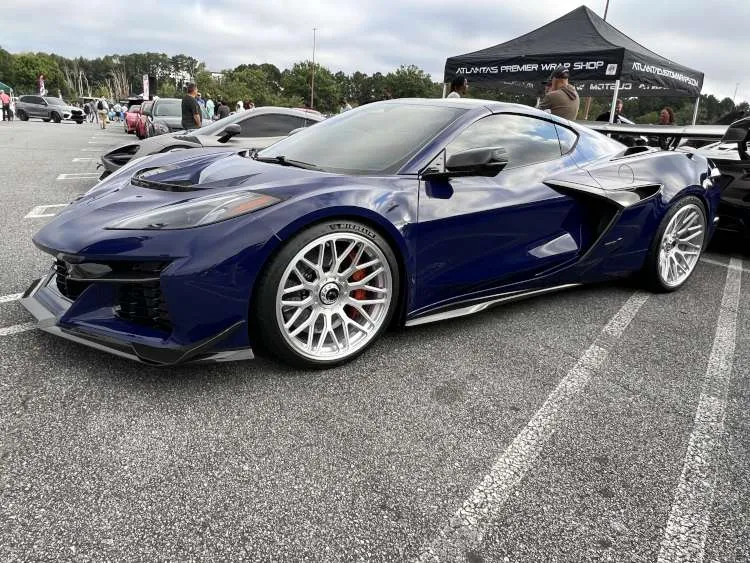
- ZR1 Supercar Status: 2009 saw the return of the ZR1, powered by the supercharged LS9 engine producing 638 hp. It introduced advanced track tech, including carbon-ceramic brakes and Magnetic Selective Ride Control (MSRC).
- The Grand Sport “Sweet Spot”: Introduced in 2010, the Grand Sport combined the Z06’s wide-body chassis and braking system with the LS3 engine. Manual Grand Sport Coupes are highly collectible due to their hand-built engines and dry-sump oiling systems.
- Critical Maintenance Risks: Prospective buyers must audit Z06 models (LS7) for the “valve guide issue” to prevent catastrophic engine failure. Additionally, all C6 models should be inspected for harmonic balancer wobble and fuel sender failures.
- Drivetrain Enhancements: The transition to the Tremec TR-6060 manual transmission in 2008 significantly increased torque capacity and improved shift quality over the outgoing T-56.
The 2008-2010 period of the C6 generation marks a significant performance tipping point, leaving behind the initial refinement years and diving deep into true supercar territory.
This era is defined by the crucial introduction of the 6.2L LS3 V8 (430 hp standard), which immediately replaced the outgoing LS2 and cemented the C6 as a world-class performance bargain.
More importantly, this period saw the resurrection of the ZR1 badge, introducing the hand-built, supercharged LS9 engine (638 hp) and showcasing GM’s most advanced track technology to date.
For buyers, the most significant year was 2010, which brought back the legendary Grand Sport badge. This model brilliantly blended the track-ready Z06 wide-body and upgraded brakes with the more economical LS3 engine.
Crucially, manual Grand Sport Coupes gained the dry-sump oiling system, a feature previously reserved for the Z06 and ZR1, immediately making the manual GS the ultimate track-day sweet spot for the serious enthusiast.
This article provides the definitive breakdown of engine differences, factory options, and the high-cost mechanical risks you need to know before buying one of these modern classics.
Also, for those who want to know more about the important first generation of America’s Sports Car, we have put together: C6 Corvette Deep Dive: The Return to Simplicity.
Legal Disclaimer & Owner Responsibility
WARNING: This document contains advanced technical and maintenance information about high-performance vehicles, including known failure modes.
Liability Limitation: All content, including repair estimates, technical specifications, and historical data (e.g., the LS7 valve guide issue, harmonic balancer wobble), is provided for informational and educational purposes only. The publisher and authors assume no responsibility for any damage, loss, injury, or financial loss incurred as a result of relying on this information.
Owner Verification: Specifications and repair methods should always be verified by the owner or operator of the vehicle. Any maintenance or modification work, especially concerning engine internals (LS7/LS9), clutches, or suspension systems, must be performed by a certified, qualified automotive professional who specializes in high-performance Chevrolet products. Failure to seek professional consultation voids the intended use of this guide.

Performance Differences: LS2 vs. LS3
| LS2 (2005–2007 C6) | LS3 (2008+ C6) | |
|---|---|---|
| Horsepower | 400 hp | 430 hp (standard) 436 hp (with optional dual-mode exhaust) |
| Torque | 400 lb-ft | 424 lb-ft (standard) 428 lb-ft (with optional dual-mode exhaust) |
| Power band | Strong performance in the low-to-mid RPM range. | Better top-end performance and more free-revving feel due to superior airflow. |
| Tuning potential | Responds well to modifications, but its stock components limit its ultimate potential compared to the LS3. | Offers a much higher ceiling for performance modifications, especially forced induction. |
Drivetrain Upgrades: The TR-6060 and Ratio Changes (2008+)
The 2008 model year brought major mechanical revisions beyond the LS3, centered around the transmission and axle.
| Transmission Upgrade | Previous Model | 2008+ Upgrade | Importance for Buyers |
|---|---|---|---|
| Manual Trans. | Tremec T-56 | Tremec TR-6060 | Increased torque capacity, refined internal shift linkage, and improved gate placement (Source: GM Specs). |
| Z51 Manual Ratio | — | Shorter 2.97:1 First Gear | Provides quicker off-the-line acceleration than the standard 2.66:1 ratio, highly desired for performance (Source: GM Specs). |
| Automatic | GM 6L80 | Revised Calibration & Hardware | Delivered quicker shifts and featured a newly available 2.73 performance axle ratio (Source: GM Specs). |
Z51 Performance Package: RPO Z51
For used buyers, the Z51 Performance Package is the ultimate non-Magnetic Ride suspension option. It significantly enhanced the car’s handling for track use and is highly desirable.
| Z51 Package Content | Purpose/Benefit |
|---|---|
| Specific Stabilizer Bars | Larger diameter for reduced body roll during cornering (Source: GM Specs). |
| Stiffer Springs and Dampers | Enhanced shock tuning and spring rates for better transient response (Source: GM Specs). |
| Larger Cross-Drilled Rotors | Improved heat dissipation and fade resistance (Source: GM Specs). |
| Specific Axle Ratios | Shorter ratios (manual and automatic) for faster acceleration (Source: GM Specs). |
| Power Steering Cooler | Added endurance for track days (Source: GM Specs). |

LS7 Deep Dive: The Valve Guide Issue (2006–2013)
For anyone considering a Z06 or 427 Convertible from this era, understanding the LS7 Valve Guide Issue is mandatory.
This is the single largest mechanical risk associated with the high-revving 7.0L engine. The cause of this widespread issue was a poor tolerance and geometry between the titanium intake valves and the powdered-metal valve guides in the cylinder heads (Source: Owner Forums).
This mis-alignment, often exacerbated by the engine’s high 7,000 RPM redline, caused premature wear on the valve guides. If left uncorrected, the result is excessive valve wobble, leading to the risk of the valve dropping into the cylinder, causing catastrophic engine failure.
The risk applies to all LS7 engines from 2006 through 2013, as GM never issued a factory update or formal recall to correct the underlying mechanical tolerance.
The Issue and the Definitive Fix: The problem stems from non-concentric valve guides that cause the valve to be loaded unevenly, leading to rapid wear and a “wobble.”
The only way to know for sure is to perform a “wiggle test” or have a professional inspect the heads. Since the risk of a dropped valve is high, many owners opt for a preventative repair. The primary aftermarket solutions focus on replacing or reworking the factory cylinder heads:
- Bronze Guides: The most common and cost-effective fix. Shops specializing in LS engines will remove the original powdered metal guides and replace them with high-quality manganese-bronze guides. These are more durable and provide superior lubrication, preventing the rapid wear seen on the factory components.
- Reworked/Refurbished Heads: Many reputable shops offer a service to rework or refurbish the stock LS7 heads. This includes a full disassembly, cleaning, and a precision valve job, along with the installation of new bronze guides and a stronger valvetrain (e.g., dual valve springs, titanium retainers).
- Aftermarket Cylinder Heads: For those looking to eliminate the risk entirely and gain a significant performance boost, new aftermarket cylinder heads from companies like Trick Flow Specialties (TFS) or Frankenstein Engine Dynamics (FED) are strong solutions. These heads have optimized port designs, correctly machined bronze guides, and improved valvetrain components. This option is more expensive but provides peace of mind and the potential for substantial horsepower gains.
Cost to Fix (Estimated Range):
- Reworking Your Own Heads: Expect to pay $1,500 to $3,000 for a reputable shop to rework your stock heads with new bronze guides and valvetrain components. This price typically includes parts and labor for the head work itself, but not the labor for removing and reinstalling the heads from the car, which can be an additional $1,000 to $2,000.
- Aftermarket Heads (Parts Only): New aftermarket cylinder heads range from $3,000 to $5,000+ per set, not including installation

Design Differences: LS2 vs. LS3
| LS2 | LS3 | |
|---|---|---|
| Displacement | 6.0 liters (364 cubic inches) | 6.2 liters (376 cubic inches) |
| Block | Standard-issue aluminum block. | Reinforced aluminum block with revised casting for improved strength and better bay-to-bay breathing. |
| Bore | 101.6 mm. | Increased to 103.25 mm to create the larger displacement. |
| Cylinder heads | “Cathedral port” heads, which have smaller, less efficient intake ports. | Higher-flowing “rectangular port” heads (based on the LS7) with a revised combustion chamber design. |
| Valvetrain | Used 2.00-inch (50.8 mm) intake valves. | Utilized larger, lighter 2.16-inch (55 mm) intake valves and larger exhaust valves, improving high-RPM performance. |
| Intake manifold | Known to be a restrictive element in the design. | Upgraded, higher-flowing intake manifold designed to work with the rectangular-port heads and maximize airflow. |
| Camshaft | Less aggressive camshaft profile than the LS3. | More aggressive camshaft profile with increased lift to take advantage of the higher-flowing heads. |
| Injectors | Flowed at 33 lb/hr. | Higher-flowing injectors (from the LS7) at 47 lb/hr to deliver more fuel. |
| Throttle body | A silver blade throttle body that rotates differently. | A gold blade throttle body with a different rotation and port shape, along with a revised electronic control module (E38). |

Known Issues and Buyer’s Guide: 2008 C6
The 2008 model is often called a “sweet spot” year because it gained the robust LS3 engine and avoided some initial C6 issues. However, potential buyers should still inspect for the following common C6 platform issues:
The Critical LS3 Maintenance: Harmonic Balancer Watch
The Harmonic Balancer (HB) is a common failure point across all C6 models (LS2/LS3). Its rubber inner bonding fails, causing a dangerous wobble.
| Component | Detail / Failure Mode | Estimated Repair Cost |
|---|---|---|
| Harmonic Balancer (HB) | Failure: Rubber bonding breaks, causing the balancer to visibly wobble (“walk”). If ignored, it destroys engine seals and can lead to catastrophic failure. | $800 – $1,800 |
| Diagnosis | Check for a visible wobble on the balancer (front of the crankshaft) when the engine is running. | N/A |
| Repair Complexity | High labor cost, as the steering rack often needs to be dropped for access. | N/A |
Buyer Inspection: Always check for a visible wobble on the balancer when the engine is running. Replacement is highly recommended if any wobble is observed.
Other Common Issues
- Fuel Sender Failure: Sulfurous fuel deposits often contaminate the fuel level sensors, leading to highly inaccurate gas gauge readings. This is a hassle and may require sensor replacement.
- Low-Beam Headlight Failure: Earlier 2008 models were affected by a Customer Satisfaction Program (CSP) due to engine heat causing the under-hood electrical center (UBEC) to expand and break the headlight fuse wire. Check if this CSP was performed (Source: Tech Bulletin 14203).

2008 C6 Corvette: The LS3 Engine Revolution
The 2008 Corvette arrived at a pivotal, yet volatile, moment in American history, preceding the full swing of the “Great Recession”.
Despite the financial strain experienced by General Motors and the world, Chevrolet doubled down on performance, introducing the all-new LS3 engine as the standard powerplant for the base Coupe and Convertible.
This bold move increased the base model’s displacement from 6.0L to 6.2L, delivering 430 horsepower—a decisive 30 hp jump over the outgoing LS2.
The 2008 model year was not just a refresh; it was a fundamental shift that cemented the C6’s reputation as a world-class sports car, boasting refinements in driving dynamics, upgraded interior materials, and enhanced technology across the entire model lineup.

FAQ: 2008 C6 Corvette
What was the most significant mechanical upgrade for the 2008 Corvette?
- The most significant mechanical upgrade was the introduction of the all-new 6.2L LS3 small-block V8 engine for the base Coupe and Convertible models, replacing the LS2 (Source: GM Specs).
How much horsepower did the standard 2008 LS4 engine produce?
- The standard LS3 engine was rated at 430 horsepower (321 kW) and 424 lb-ft of torque with the standard exhaust system (Source: GM Specs).
How much horsepower did the LS3 engine gain over the 2007 LS2 engine?
- The LS3 engine achieved a 30-horsepower increase compared to the LS2 engine used in the previous model year (Source: Ultimate Guide).
What was the displacement increase of the LS3 engine?
- The LS3 displacement increased from 6.0L (364 cubic inches) of the LS2 to 6.2L (376 cubic inches) (Source: Ultimate Guide).
What changes were made to the LS3 cylinder block for 2008?
- The LS3 featured a revised, larger-bore cylinder block (4.06-inch bore) with structural enhancements and cast iron cylinder liners (Source: GM Specs).
Which Z06 technology did the LS3 borrow for its fuel system?
- The LS3 used high-flow fuel injectors derived from the Z06’s LS7 engine (Source: GM Specs).
What unique design feature allowed the LS3 to handle higher RPMs?
- The LS3 utilized lightweight hollow stems for its intake valves, which helped enable the engine’s 6,600-rpm capability (Source: GM Specs).
What was the horsepower and torque rating with the optional dual-mode exhaust?
- The power ratings increased to 436 horsepower and 428 lb-ft of torque when equipped with the optional dual-mode exhaust system (Source: GM Specs).
What was the design of the new, optional exhaust system?
- The new, optional two-mode performance exhaust system used vacuum-actuated outlet valves to control engine noise during low-load operation (Source: GM Specs).
What was the diameter of the exhaust system used on the base Coupe and Convertible?
- The Coupe and Convertible models utilized a 2.5-inch-diameter exhaust system, which was smaller than the Z06’s three-inch system (Source: GM Specs).
What was the top speed capability of the standard 2008 Corvette coupe?
- The standard 2008 Corvette Coupe was capable of reaching a top speed of 190 mph (Source: GM Press Release).
What was the 0-60 mph time for the LS3 with the six-speed paddle shift automatic transmission?
- The LS3 with the six-speed paddle-shift automatic transmission achieved a 0-60 mph capability of 4.3 seconds (Source: GM Specs).
What were the improvements made to the manual transmission for 2008?
- The manual transmission shift efforts were improved to provide a more positive and direct feel during gear changes, along with better gate-to-gate location (Source: GM Specs).
What improvements were made to the paddle-shift automatic transmission?
- The six-speed paddle-shift automatic received new hardware and controller calibration to deliver quicker shifts (Source: GM Specs).
What performance axle ratio became newly available with the automatic transmission?
- The 2.73 performance axle ratio became newly available with the automatic transmission (Source: GM Specs).
What axle ratio was included when the automatic transmission was conbined with the Z51 package?
- The 2.73 performance axle ratio came standard when the automatic transmission was combined with the Z51 performance package (Source: Ultimate Guide).
What improvements were made to the steering system?
- The rack-and-pinion steering system was revised to provide improved feel at all speeds due to new internal component machining, a stiffer intermediate shaft, and controller calibration changes (Source: GM Specs).
What was the new standard wheel design for the base coupe and convertible?
- The new standard wheel design was a split-spoke cast aluminum wheel, which was first introduced on the 2007 Indianapolis 500 Pace Car replicas (Source: GM Specs).
What new wheel option was available in a polished finish?
- A distinctive, performance-oriented forged aluminum wheel was new for 2008 and available in a polished finish (Source: GM Specs).
What new feature was integrated into the Keyless Access remote fob?
- The new Keyless Access remote fob featured the key and remote-function controls integrated into a single unit (Source: GM Specs).
What were the two new premium exterior colors available for 2008?
- The two new premium exterior colors were Jetstream Blue Metallic Tintcoat and Crystal Red Metallic Tintcoat (Source: GM Specs).
Which previous colors were replaced by the new 2008 colors?
- The new 2008 colors replaced Le Mans Blue Metallic and Monterey Red Metallic Tintcoat (Source: GM Specs).
What new standard features were included on all sound systems (except navigation)?
- An iPod/MP3 audio input jack was included on all sound systems except for those equipped with navigation (Source: GM Specs).
What previously optional safety and trechnology features became standard on all models?
- OnStar, XM Satellite Radio, and auto-dimming rearview mirrors with a compass became standard on all 2008 models (Source: GM Specs).
What was a key feature of the optional custom leather-wrapped interior package?
- The Custom Leather-Wrapped Interior Package offered a stylish, two-tone leather-appointed cabin that included wrapped upper and lower instrument panels, door pads, and seats (Source: GM Specs).
What were the two new exclusive colors available with the custom leather-wrapped interior package?
- The new exclusive colors available were Linen and Sienna (Source: GM Specs).
How was the Corvette Z06 honored in a special edition?
- The 427-Limited Edition Z06 Corvette Coupe was created to commemorate the retirement of Bowling Green Corvette Plant Manager Wil Cooksey (Source: Ultimate Guide).
How many units of the 427 Limited Edition Z06 were produced?
- A total of 505 units of the 427-Limited Edition Z06 were produced, commemorating the LS7 engine’s 505 horsepower (Source: Ultimate Guide).
What distinguishing feature did every 427-Limited Edition Z06 possess?
- All 505 units were autographed by retiring plant manager Wil Cooksey on the underside of the center console armrest (Source: Ultimate Guide).
What color was the exterior of the 427-Limited Edition Z06?
- The car came exclusively in Crystal Red exterior paint with a Dark Titanium custom interior (Source: Ultimate Guide).
How was the 2008 Indy 500 Pace Car unique compared to previous models?
- The 2008 Indy 500 Pace Car was the first Z06 to pace the Indianapolis 500 while running on E85 (ethanol) fuel (Source: Ultimate Guide).
Who signed the special edition Indy Pace Car replicas for 2008?
- All of the Indy Pace Car replicas were specially numbered and signed by Emerson Fittipaldi (Source: Ultimate Guide).
What two paint schemes were offered for the Indy Pace Car replicas?
- The pace car replicas could be ordered in a scheme based on the actual 2008 pace car or a special silver/black scheme commemorating the 1978 Pace Car (Source: Ultimate Guide).
How many Corvette ZHZ coupes were built exclusively for Hertz?
- 500 ZHZ Coupes (RPO ZHZ) were produced exclusively for the Hertz Fun Club rental program (Source: Ultimate Guide).
What were the exterior colors and striping of the Hertz ZHZ Coupe?
- All 500 units were finished in Velocity Yellow with a broad, black stripe that ran the length of the hood and roof (Source: Ultimate Guide).
What mechanical package was included standard on the Hertz ZHZ?
- The ZHZ came equipped with the F55 suspension package (Magnetic Selective Ride Control) and the LS3 engine (Source: Ultimate Guide).
What was the total 2008 Corvette production number?
- A total of 35,310 Corvettes were built for the 2008 model year (Source: Production Statistics).
What was the production breakdown between coupe, convertible and the Z06 models?
- The breakdown was 20,030 Coupes, 7,549 Convertibles, and 7,731 Z06 models (Source: Production Statistics).
Which performance upgrade was the most popular option on the coupe and convertible models?
- The Six-speed Automatic Transmission (MX0) was the most popular option on the Coupe and Convertible models, with 19,136 units ordered (54.2% total production) (Source: Production Options).
What was the coefficient of drag for the 2008 Coupe models?
- The 2008 Coupe models had a coefficient of drag (Cd) of 0.286, making them the most aerodynamic Corvettes ever at that time (Source: GM Specs).
What is the normal oil pressure range for the LS3 engine at idle?
- The normal hot idle oil pressure for the LS3 engine should be between 20 and 30 PSI (Source: LS Tech Forum).
What type of oil does the 2008 LS3 engine require?
- The 2008 LS3 engine requires synthetic 5W-30 motor oil, typically meeting the GM dexos standard (Source: Owner’s Manual).
Is the LS3 engine in the 2008 coupe a wet-sump or dry-sump system?
- The 2008 LS3 engine in the base Coupe and Convertible utilizes a standard wet-sump oiling system, unlike the dry-sump system used in the Z06 (Source: GM Specs).
What is the typical cost to repair a failed harmonic balancer on a C6?
- The typical cost to repair a failed harmonic balancer ranges from $800 to $1,500, depending on labor rates, as it requires specialized tools and significant labor (Source: Corvette Maintenance).
How can I check if the low-beam headlight issue was fixed under the Customer Satisfaction Program?
- You can check if the repair was performed by contacting a GM dealership with your VIN, as they have access to Customer Satisfaction Program records (Source: Tech Bulletin).
What is the RPO code for the optional dual-mode performance exhaust?
- The RPO code for the optional dual-mode performance exhaust system is NPP (Source: RPO Codes).
What feature did the LS3 adopt to run at a lower compression ratio than the LS2?
- The LS3 engine was developed to operate at a slightly lower 10.7:1 compression ratio to accommodate GM’s interest in E85 ethanol-blended fuel capability across its fleet (Source: Ultimate Guide).
What were the benefits of the LS3’s new rectangular-port cylinder heads?
- The new rectangular-port cylinder heads allow a much higher volume of air to enter the cylinders, improving airflow and top-end performance compared to the LS2’s “cathedral port” design (Source: Engine Tech).
What does the F55 RPO code refer to on the 2008 Corvette?
- The F55 RPO code refers to the optional Magnetic Selective Ride Control suspension system, which provides real-time damping adjustment (Source: RPO Codes).

Known Issues and Buyer’s Guide: 2008 C6
The 2008 model is often called a “sweet spot” year because it gained the robust LS3 engine and avoided some initial C6 issues. However, potential buyers should still inspect for the following common C6 platform issues:
- Low-Beam Headlight Failure: Earlier 2008 models were affected by a Customer Satisfaction Program (CSP) due to engine heat causing the under-hood electrical center (UBEC) to expand and break the headlight fuse wire. Check if this CSP was performed (Source: Tech Bulletin 14203).
- Harmonic Balancer Wobble: This is a nearly universal C6 issue where the rubber bonding fails, causing the balancer at the front of the crankshaft to wobble. If ignored, it can cause severe engine damage.
- Fuel Sender Failure: Sulfurous fuel deposits often contaminate the fuel level sensors, leading to highly inaccurate gas gauge readings. This is a hassle and may require sensor replacement.

2009 C6 Corvette: The Reign of the ZR1
The 2009 model year cemented the C6 generation as a true supercar rival by reintroducing the legendary ZR1 badge after a 14-year absence.
Propelled by the hand-built, supercharged 6.2-liter LS9 V8, the ZR1 was the fastest and most powerful production car GM had ever built, designed to compete with high-end European exotics at a fraction of the cost.
While the ZR1 stole the spotlight, the rest of the lineup benefited from the continuation of the LS3 engine, improved manual shift linkage, and the introduction of advanced safety and technology features, confirming the 2009 model as a highly desirable performance “sweet spot” in the used market.
This year was also crucial for Corvette Racing, which secured its final GT1 victory at Le Mans before transitioning the C6.R to the GT2 class, further solidifying the link between racing technology and the street car’s advanced engineering.
ZR1-Specific Supercharger Maintenance (LS9)
The LS9 Supercharger is a highly durable, positive-displacement Roots-type unit. While generally maintenance-free, ownership includes one key service point:
Supercharger Snout Coupler: The coupler (isolator) connecting the snout drive to the supercharger rotors is subject to wear and tear. A failure typically manifests as a loud rattling or marbles-in-a-can sound coming from the front of the supercharger, particularly noticeable at idle.
This is a maintenance item, not a catastrophic failure, but it must be addressed promptly. The service is complex, usually involving $1,000–$2,000 in specialized labor and parts, and is typically performed around the 50,000–70,000 mile mark (Source: LS9 Tech Forums).

Z06 and Grand Sport Chassis Structure
For the C6 generation, vehicle construction was based on three primary frame types, heavily influencing weight, price, and intended use:
| Model | Chassis Type | Material | Key Advantage |
|---|---|---|---|
| Z06 & ZR1 | Fixed-Roof Coupe | Aluminum Frame | The lighter, more rigid structure, saving roughly 150 lbs over the steel frame (Source: GM Specs). |
| Base & Grand Sport | Coupe/Convertible | Steel Hydroformed Frame | More economical and still highly rigid, but heavier than the Z06/ZR1 chassis (Source: GM Specs). |
Known Issues and Buyer’s Guide: 2009 C6
The 2009 is a strong year for reliability, but buyers should be acutely aware of a few platform-specific concerns and maintenance points:
- LS7 Valve Guide Issue (Z06 Only): The 7.0L LS7 engines (found in the Z06) are known for premature valve guide wear, which can cause catastrophic valve drops. Prospective Z06 buyers must request service records to confirm the cylinder heads have been inspected or rebuilt with aftermarket guides (Source: Engine issues).
- Harmonic Balancer Failure (All C6 Models): Look for a noticeable wobble at the front of the engine when it is running. Failure is common and can lead to severe engine damage if not corrected quickly.
- Steering Column Lock: While more prevalent on earlier C6s, some 2009 models can experience electronic steering column lock failure, which prevents the car from starting. Bypass kits are widely available for a permanent fix (Source: Corvette Maintenance).

FAQ: 2009 ZR1 Supercar and Model Upgrades
What major high-performance model returned for the 2009 model year?
- The high-performance ZR1 badge returned for the 2009 model year after a 14-year hiatus, instantly bringing supercar-level performance to the C6 platform (Source: Raw Data).
What was the engine designation for the 2009 ZR1?
- The 2009 ZR1 was powered by the supercharged 6.2-liter LS9 V8 engine (Source: ZR1 Specs).
How much horsepower did the supercharged LS9 engine produce?
- The LS9 engine was officially rated at 638 horsepower (475 kW) and 604 lb-ft of torque (Source: ZR1 Specs).
What was the top speed of the 2009 ZR1?
- The 2009 ZR1 was capable of achieving a top speed of 205 mph (Source: ZR1 Specs).
What was the 0-60 mph time for the 2009 ZR?
- The 0-60 mph time for the 2009 ZR1 was just 3.4 seconds (Source: Car and Driver).
What type of supercharger was used on the LS9 engine?
- The new, large positive-displacement Roots-type supercharger with a unique four-lobe design was utilized on the LS9 engine (Source: GM Powertrain).
Which critical component was visible through the ZR1’s polycarbonate hood window?
- A clear, polycarbonate window in the raised carbon-fiber hood provided a direct view of the supercharger’s intercooler (Source: Design).
What lightweight material did the ZR1 use extensively for body panels?
- The ZR1 made extensive use of carbon fiber for the roof, hood, fenders, front splitter, and rocker moldings (Source: Raw Data).
Why were some carbon fiber panels left exposed on the ZR1?
- The exposed carbon-fiber weave on panels like the roof and front splitter was protected by a specially developed glossy, UV-resistant clear coat, which was a high-tech development at the time (Source: Exposed Carbon-fiber).
What advanced brakng material was standard on the ZR1?
The ZR1 was the first Corvette to come standard with carbon-ceramic brake rotors (Source: Brakes).
What were the dimensions of the ZR1’s carbon ceramic brake rotors?
- The rotors measured 15.5 inches (394 mm) in the front and 15 inches (380 mm) in the rear, making them some of the largest carbon-ceramic rotors available on a production vehicle (Source: Brakes).
What specific color were the ZR1 brake calipers painted?
- The brake calipers on the ZR1 were painted a ZR1-exclusive blue (Source: Brakes).
What were the wheel sizes for the 2009 ZR1?
- The ZR1 featured 19-inch wheels in the front and 20-inch wheels in the rear, making them the largest ever offered on a Corvette at the time (Source: $\text{Wheels & Tires}$).
What type of suspension system was standard on the ZR1?
- Magnetic Selective Ride Control (MSRC) was standard on the ZR1 and tuned specifically for its track-level performance (Source: Ride and handling).
How frequently does the MSRC system adjust it’s damping settings?
- MSRC “reads” the road in 1-millisecond intervals (a thousand times per second), making it the world’s fastest-reacting damping system (Source: Ride and handling).
What material was used for the ZR1’s connecting rods?
- The LS9 engine utilized titanium connecting rods for the ultimate combination of strength and light weight (Source: Powertrain).
What unique structural material was used as a core for the passenger compartment floors?
- The passenger compartment floors combined carbon-fiber skins with an ultra-lightweight balsa wood core for structural strength and sound insulation (Source: Lightweight structure).
What was the purpose of the ZR1’s high-cost UV-resistant clear coat?
- The clear coat was applied to exposed carbon-fiber panels to resist ultraviolet (UV) light damage, which prevents the material from yellowing or dulling (Source: Exposed Carbon-fiber).
What was the power output of the standard LS3 engine for the 2009 base model?
- The 6.2-liter LS3 V8 engine continued as the standard engine, producing 430 horsepower (Source: Raw Data).
What upgrade did the base model’s manual transmission receive for 2009?
- The manual transmission received improved shift linkage for a more positive and direct feel (Source: Raw Data).
What structural material was used for the ZR1’s chassis?
- The ZR1 used the same aluminum-intensive chassis that was developed for the C6 Z06 (Source: Lightweight structure).
Where was the LS9 engine assembled?
- The LS9 engine was assembled by hand at GM’s Performance Build Center in Wixom, Michigan (Source: Powertrain).
What was the purpose of the ZR1’s twin-disc clutch system?
- The twin-disc clutch system was designed to provide exceptional clamping power to handle the LS9’s massive torque, while maintaining an easy clutch effort (Source: New six-speed manual transmission).
What was the top speed gear for the ZR1’s manual transmission?
- The ZR1 achieved its top speed in sixth gear, a change from the fifth-gear top-speed run-outs in the standard Corvette and Z06 (Source: New six-speed manual transmission).
What was the curb weight of the 2009 ZR1?
- The ZR1 had an estimated curb weight of approximately 3,350 pounds (1,519 kg) (Source: ZR1 Specs).
What exclusive feature was added to the ZR1’s gauge cluster and Head-Up Display?
- A boost gauge was added to the instrument cluster and the Head-Up Display (HUD) (Source: Interior details).
What were the two main equipment packages available for the ZR1?
- The two main equipment packages were the base 1ZR and the uplevel 3ZR luxury equipment group (Source: Interior details).
What features did the 3ZR package include?
- The 3ZR package included power-adjustable and leather-trimmed sport seats, a custom leather-wrapped interior, navigation, and Bluetooth connectivity (Source: Raw Data).
What special racing model was released for the 2009 model year?
- The GT1 Championship Edition was released to celebrate the C6.R race car’s success in the GT1 class (Source: Competition Sport Package).
What was the fate of Corvette Racing’s GT1 program in 2009?
- 2009 marked the final GT1 class victory for Corvette Racing at the 24 Hours of Le Mans, followed by a transition to the GT2 class later that season (Source: 2009 Racing).
Why did Corvette Racing transition from GT1 to GT2 in 2009?
- The transition was driven by dwindling GT1 competition and the impending convergence of international GT racing regulations (Source: 2009 Racing).
What special performance-oriented package was released for the Coupe and Z06?
- The Competition Sport Package was introduced for the 2009 Corvette Coupe 1LT and Z06 models, aimed at track enthusiasts (Source: Competition Sport Package).
What cosmetic features did the Competition Sport Package include?
- The package included Competition Gray exterior stripes, wheels, and headlamps (Source: Competition Sport Package).
What was the horsepower rating of the Z06 model in 2009?
- The Z06 continued to be powered by the naturally aspirated 7.0L LS7 engine, producing 505 horsepower (Source: Raw Data).
What unique structural material was used in the Z06 and ZR1 floor panels?
- The passenger compartment floors were made from a composite that sandwiched a core of balsa wood between carbon-fiber skins (Source: Lightweight structure).
Why is the 2009 base C6 considered a “sweet spot” in the used market?
- It is considered a “sweet spot” due to its superior performance (LS3 engine) and improved reliability compared to earlier C6 models (Source: Raw Data).
What was the MSRP of the 2009 base Corvette coupe?
- The original MSRP for the 2009 base Coupe was approximately $47,895 (Source: Pricing).
What was the approximate original MSRP for the 2009 ZR1?
- The original MSRP for the 2009 ZR1 was approximately $103,970 to $105,000 (Source: Pricing).
What are two common maintenance issues reported for the 2009 C6?
- Common maintenance issues include the failure of the harmonic balancer (a very common C6 problem) and fuel level sensor failure (Source: Engine issues).
What aerodynamic component was unique to the ZR1’s rear end?
- The ZR1 featured a specific full-width rear spoiler with raised outboard sections designed to enhance downforce and high-speed stability (Source: Design).
What was the total production for the Hertz ZHZ rental program?
- A total of 500 units of the ZHZ were produced for the Hertz rental program (Source: Raw Data).
What is the compression ration of the supercharged LS9 engine?
- The LS9 engine has a compression ratio of 9.1:1, which is lower than the naturally aspirated LS7 (11.0:1) and LS3 (10.7:1) to safely handle the supercharger’s boost (Source: ZR1 Specs).
What is the function of the ZR1’s integrated charge cooling system?
- The integrated charge cooling system reduces the inlet air temperature after the air exits the supercharger, which increases air density for maximum performance (Source: GM Powertrain).
How can I check the oil level in the Z06 and ZR1 dry-sump systems?
- You must check the oil five minutes after shutting the engine off and while parked on level ground by pulling the dipstick out of the external reservoir tank (Source: Corvette Maintenance).
What is the oil capacity of the LS9 drysump system?
- The LS9 engine requires 10.5 quarts of engine oil in its dry-sump lubrication system (Source: Oil System Design).
How many valves per cylinder does the LS9 engine use?
- The LS9 uses two valves per cylinder (one intake, one exhaust), maintaining the traditional small-block V8 architecture (Source: ZR1 Specs).
What unique wheel design was featured on the 2009 Z06 model?
- The 2009 Z06 featured the new “Spyder” wheel design (Source: C6 History).
What was the purpose of the balsa wood core in the ZR1’s floor panels?
- The balsa wood core was sandwiched between carbon-fiber skins to provide an excellent strength-to-weight ratio while adding sound and thermal insulation to the cabin (Source: Lightweight structure).
What is the most significant potential mechanical issue with the 2009 Z06?
- The most significant potential mechanical issue is premature valve guide wear in the LS7 engine, which can lead to a valve dropping and causing catastrophic engine failure (Source: LS7 Issues).
How can prospective Z06 buyers mitigate the valve guide risk?
- Prospective buyers should request service records to confirm the cylinder heads have been professionally inspected or rebuilt with more durable valve guides (Source: LS7 Issues).
Why did the ZR1 use an aluminum chassis while the Grand Sport used steel?
- The ZR1 used an aluminum chassis to save approximately 150 pounds compared to the steel frame used on the base model and the Grand Sport, optimizing the power-to-weight ratio (Source: Model Comparison).
What feature was added to the 2009 ZR1 speedometer?
- The 2009 ZR1 speedometer featured a 220-mph readout, reflecting its extreme top-speed capability (Source: ZR1 Specs).
What does the VIN ending in 0150 indicate on a 2009 ZR1?
- The VIN ending in “0150” indicates that the car is the 150th ZR1 built for the model year (Source: ZR1 Details).
What was the final fate of the Corvette C6.R GT1 race car at Le Mans?
- The C6.R secured its sixth and final GT1 class victory at the 24 Hours of Le Mans in 2009 before the program moved to GT2 (Source: 2009 Racing).
Why was the ZR1’s clutch system designed with two discs?
- The twin-disc clutch system was designed to spread the engine’s 604 lb-ft torque load over a wider area, providing exceptional clamping power while maintaining an easy pedal effort (Source: New six-speed manual transmission).
What material was used for the LS9’s exhaust valves?
- The LS9 utilized hollow stem sodium-filled exhaust valves to reduce weight and aid in heat dissipation (Source: GM Powertrain).
What was a common electrical maintenance issue that could be fixed by removing a fuse?
- Parasitic battery drain was a common issue, often caused by the OnStar system, which could be temporarily solved by pulling the OnStar fuse (Source: Maintenance Issues).
What was the RPO code for the track-focused Competition Sport Package?
- The RPO code for the Competition Sport Package was CSC (Source: Competition Sport Package).
What 2009 Special Edition was exclusively built for the Hertz rental fleet?
- The ZHZ Edition was exclusively built for the Hertz “Fun Collection” rental fleet (Source: Raw Data).
How many total units were produced for the Hertz ZHZ program?
- A total of 500 units of the ZHZ were produced for the 2008 and 2009 model years combined (Source: ZHZ Production).
What distinguishes the 2009 ZR1 ZR1 badging from the 1990-95 ZR-1?
- The 2009 version is spelled ZR1 (without the hyphen) due to a change in GM’s alphanumeric naming convention (Source: ZR1 History).
What component of the ZR1’s braking system should never require replacement in normal driving?
- The carbon-ceramic brake rotors should never require replacement for the life of the vehicle when used in normal driving due to their wear and heat resistance (Source: Brakes).
What feature was added to the Z06 for 2009 to improve oiling?
- The Z06 received a larger-capacity dry-sump oiling system for the 2009 model year (Source: Raw Data).
What was the purpose of the ZR1’s magnesium cradle?
- The magnesium cradle was used as an engine and suspension attachment point because it is lighter than aluminum yet incredibly strong, aiding in front-to-rear weight distribution (Source: Lightweight structure).
What does the 3ZR package add to the ZR1’s interior?
- The 3ZR package adds a full custom leather-wrapped interior, power-adjustable and leather-trimmed sport seats, navigation, and Bluetooth (Source: Raw Data).
What was a notable criticism of the C6 seats for track driving?
- Critics widely condemned the seats for their poor lateral support, requiring drivers to use their legs to brace themselves during hard cornering (Source: Car and Driver).
What was the primary difference between the 1ZR and 3Zr equipment packages?
- The 1ZR was the lightweight base package, while the 3ZR was the uplevel luxury package that included all interior amenities (Source: ZR1 Details).
What component in the automatic transmission can break, causing the car to get stuck in Park?
- Plastic components within the shifter cable or the shifter lock pawl can break, preventing the car from releasing from “Park” (Source: Maintenance Issues).
What are the dimensions of the ZR1;s carbon-ceramic front and rear rotors?
- The front rotors are 15.5 inches (394 mm) and the rear rotors are 15 inches (380 mm) in diameter (Source: Brakes).
What specialized tires were developed specifically for the 2009 ZR1?
- The ZR1 rode on custom Michelin Pilot Sport 2 (PS2) tires developed specifically for the car (Source: $\text{Wheels & Tires}$).
What was the core reason Corvette Racing switched from GT1 to GT2?
- The switch was made because the GT1 class had dwindling competition, reducing the marketing value of their dominance (Source: 2009 Racing).
What was the cost of the 3ZR premium equipment group option for the ZR1?
- The 3ZR premium equipment group had a retail price of $10,000 (Source: Options and Cost).
What was the total production for the 2009 ZR1 model year?
- The total production for the 2009 ZR1 model year was 1,415 units (Source: Production Stats).
What type of suspension did the ZR1 use?
- The ZR1 used an independent SLA (short/long-arm) front and rear suspension with aluminum upper and lower control arms (Source: Ride and handling).
What was the main difference between the ZR1 and Z06 frames?
- They shared the same aluminum-intensive chassis, but the ZR1 had specific body panels and drivetrain components mounted to it (Source: Lightweight structure).
What unique material was used for the LS9’s intake valves?
- The LS9 used titanium intake valves for their lightweight and high-rpm capability (Source: GM Powertrain).
What was the primary difference between the ZR1’s curb weight and the Z06’s?
- The ZR1’s estimated curb weight of 3,350 lbs was slightly heavier than the Z06’s due to the weight of the supercharger and intercooler system (Source: ZR1 Specs).
What was the purpose of the ZR1’s stiff stabilizer bars?
- The ZR1’s stabilizer bars were the largest-diameter available on a Corvette and were designed to minimize body roll and enhance cornering grip (Source: Ride and handling).
What was the Z06’s estimated 0-60 mph time?
- The Z06 was clocked at a 0-60 mph time of 3.6 seconds (Source: Car and Driver).
What was the approximate price range for a used 2009 Z06?
- Used prices for the 2009 Z06 generally range from $40,000 to $60,000 depending on condition and mileage (Source: Pricing).
What was the original MSRP of the Competition Sport Package Coupe?
- The original MSRP for the Competition Sport Package Coupe was $55,655 (Source: Competition Sport Package).

2009 Racing Season Highlights
| Event | Car # | Drivers | Notes | |
|---|---|---|---|---|
| GT1 Class Win | 24 Hours of Le Mans | 63 | Johnny O’Connell, Jan Magnussen, and Antonio Garcia | This was Corvette Racing’s sixth GT1 class win at Le Mans. |
| GT1 Class Win | 12 Hours of Sebring | 3 | Johnny O’Connell, Jan Magnussen, and Antonio Garcia | This marked a record eighth Sebring class victory for driver Johnny O’Connell and the final time the Corvette C6.R GT1 would race at the event. |
| GT1 Class Win | Toyota Grand Prix of Long Beach | 4 | Oliver Gavin and Olivier Beretta | This was the final ALMS race for the GT1 version of the Corvette C6.R. |
| Michelin Green X Challenge | 12 Hours of Sebring | 3 | Johnny O’Connell, Jan Magnussen, and Antonio Garcia | This award recognized the winning GT team that completed the race with the best combination of performance and fuel efficiency. |
| GT2 Podium Finish (2nd) | Acura Sports Car Challenge of Mid-Ohio | 3 | Johnny O’Connell and Jan Magnussen | This was the debut race for the GT2 version of the Corvette C6.R. |
| GT2 Podium Finish (1st) | Grand Prix of Mosport | 3 | Johnny O’Connell | The C6.R secured its first GT2 victory at Mosport. |
| GT2 Podium Finish (2nd) | Monterey Sports Car Championships | 3 | Johnny O’Connell and Jan Magnussen | The team secured a podium finish in the final race of the season. |

2010 C6 Corvette: The Return of the Grand Sport
The 2010 model year was a massive win for the Corvette community, as Chevrolet officially resurrected the legendary Grand Sport badge, and trust me, it was a fantastic way to bridge the performance gap.
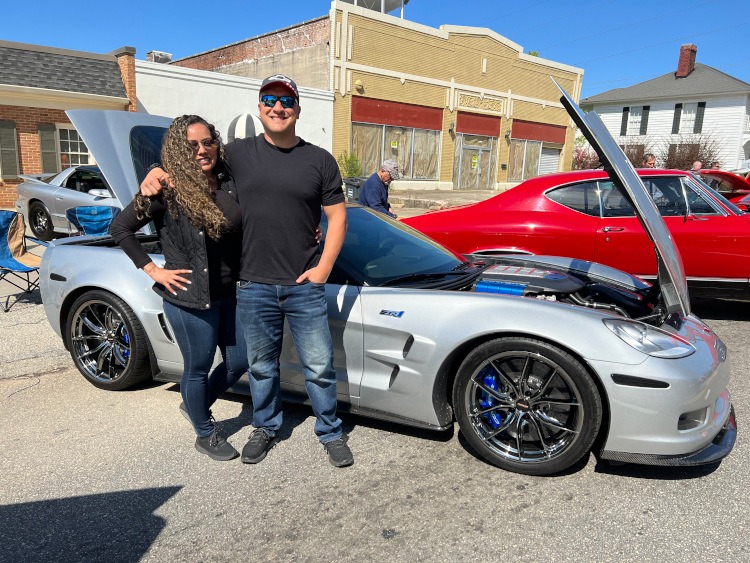
This wasn’t just a styling package, either; the new Grand Sport Coupe became the biggest story of the year because it perfectly blended the aggressive Z06 wide-body styling and huge brakes with the street-friendly LS3 engine.
What’s really cool is that if you ordered the manual Coupe, you got a serious race-ready advantage: a dry-sump oiling system and hand-built LS3 engine, features previously reserved only for the hardcore Z06 and ZR1.
This immediately made the manual Grand Sport a track-day hero right off the showroom floor. Chevrolet didn’t stop there; they also made Launch Control standard on every manual transmission model in the entire lineup, finally giving drivers maximum grip right off the line.
Even the Convertible received a high-performance upgrade with the Z06’s tall rear spoiler for better stability. This continued commitment to performance is exactly why the C6 generation holds such a unique spot in Corvette history.
Grand Sport Engine/Oiling System Comparison
The Grand Sport line split the LS3 based on transmission and body style, creating a clear mechanical hierarchy essential for buyers to understand:
| Grand Sport Model | Oiling System | Engine Assembly | Collectible/Track Rating |
|---|---|---|---|
| Manual Coupe | Dry Sump (High-Performance Z06 system) | Hand-built at Performance Center | Highest. The preferred choice for track enthusiasts due to the dry-sump system. |
| Automatic Coupe/Convertible | Wet Sump (Standard LS3 system) | Standard Production Line | Good Daily Driver. Shares the base model’s conventional oiling system. |
FAQ: 2010 Grand Sport, Specs, and Features
What was the most significant new model introduced for 2010?
- The most significant new model introduced was the Grand Sport, which replaced the previous Z51 Performance Package in the lineup (Source: Raw Data).
What was the primary focus of the new Grand Sport model?
- The primary focus was delivering enhanced handling and track performance by blending the base LS3-based powertrain with Z06-style wide-body dimensions and specialized suspension (Source: Grand Sport Specs).
What was the engine and horsepower rating of the Grand Sport?
- The Grand Sport shared the standard LS3 6.2L V8 engine, rated at 430 horsepower (321 kW) and 424 lb-ft of torque with the standard exhaust system (Source: Raw Data).
What unique internal engine feature was included on manual Grand Sport Coupes?
- Manual Grand Sport Coupes were uniquely outfitted with a dry-sump oiling system, a high-performance feature adapted from the Z06 to prevent oil starvation during high-G cornering (Source: Engine Comparison).
What other drivetrain enhancement was included in the manual Grand Sport Coupe?
- Manual Grand Sport Coupes also included a differential cooler and had the battery relocated to the rear for optimized weight distribution (Source: Engine Comparison).
Were the LS3 engines for manual Grand Sports built differently than the base LS3?
- Yes, the LS3 engines for manual Grand Sport Coupes were hand-built at GM’s Performance Build Center, sharing the same facility as the Z06 and ZR1 engines (Source: Engine Comparison).
What size were the Grand Sport’s brake rotors and calipers?
- The Grand Sport adopted Z06-size brakes, featuring 14-inch (355 mm) front rotors with six-piston calipers and 13.4-inch (340 mm) rear rotors with four-piston calipers (Source: Grand Sport Specs).
What was the benefit of the Grand Sport’s wider track?
- The wider track and wider tires enhanced stability by creating a larger, more stable base, which reduced lateral weight transfer during cornering and improved grip (Source: Wider Track).
What was the Grand Sport’s skid pad adhesion rating?
- The Grand Sport delivered a track-worthy skid pad adhesion rating of 1 g (Source: Raw Data).
What transmission choice was available on the Grand Sport but not the Z06?
- The paddle-shift six-speed automatic transmission (MX0) was offered on the Grand Sport, but the Z06 was exclusively available with a manual transmission (Source: Grand Sport Specs).
What new performance feature became standard on all manual transmission Corvettes for 2010?
- Launch control became standard with all manual-transmission models across the entire 2010 lineup (Source: Raw Data).
What was the displacement and power output of the Z06 model in 2010?
- The Z06 was powered by the 7.0L LS7 V8, producing 505 horsepower and 470 lb-ft of torque (Source: Raw Data).
What was the curb weight of the manual Grand Sport Coupe?
- The Grand Sport Coupe had a curb weight of 3,311 pounds (1,502 kg) (Source: Grand Sport Specs).
What was the 0-60 mph time for a manual-equipped base Coupe?
- A manual-equipped base Coupe could achieve a 0 to 60 mph time in approximately 4.1 seconds (Source: 2010 Model Lineup).
How was the Z06 model’s color pallete changed for 2010?
- The Z06 model was now offered in all eight standard exterior colors (Source: Raw Data).
What suspension component differences exist between the Grand Sport and the base Corvette?
- The Grand Sport used stiffer springs and stabilizer bars with more aggressive shock tuning compared to the base model’s comfort-tuned components (Source: Suspension Tuning).
How much horsepower did the Grand Sport produce with the optional dual-mode exhaust system?
- The optional two-mode exhaust system elevated the LS3’s power rating to 436 horsepower (325 kW) and 428 lb-ft of torque (Source: Raw Data).
What aesthetic feature was included in the Grand Sport’s available Heritage package?
- The Heritage package added iconic front fender hash marks, which were offered in four colors, and included two-tone seats with Grand Sport embroidery (Source: Raw Data).
What safety feature became standard on all 2010 Corvette models?
- Side air bags became standard on all 2010 Corvette models (Source: Raw Data).
What 2010 interior refinement was made to the console trim?
- New interior console trim patterns were introduced for all models (Source: Raw Data).
What new interior option was offered for the seats?
- Optional crossed-flags logo embroidery was offered for the seats (Source: Raw Data).
What visual distinction was given to Convertible models for 2010?
- Convertible models included the tall rear spoiler from the Z06 (Source: Raw Data).
What interior color option was newly available on the Z06 and ZR1?
- The Cashmere interior color was newly offered as an option on both the Z06 and ZR1 models (Source: Raw Data).
What upgrade did the Z06 3LZ equipment package receive in 2010?
- The Z06 3LZ package now included power sport seats for both the driver and passenger (Source: Raw Data).
What ZR1 technology was added to the ZR1 for the 2010 model year?
- The ZR1 received Performance Traction Management for the 2010 model year (Source: C6 Trivia).
What was the purpose of the Grand Sport’s functional brake ducts?
- Functional brake ducts provided extra cooling to the Z06-size brakes and improved longevity during track use (Source: Grand Sport Specs).
What exterior color was reintroduced to the lineup for 2010?
- The exterior color Torch Red returned to the standard color palette (Source: Raw Data).
What was the Grand Sport Coupe’s approximate curb weight and why is it heavier than a Z06?
- The Grand Sport Coupe weighed approximately 3,311 pounds, making it about 136 pounds heavier than the Z06’s aluminum frame construction (Source: Grand Sport Specs).
What was the total 2010 Corvette production number?
- The total 2010 Corvette production was 12,194 units (Source: Production Numbers).
What was the production number for the Z06 model in 2010?
- 518 units of the Z06 were sold in 2010 (Source: Production Numbers).
What was the production number for the ZR1 model in 2010?
- 1,577 units of the ZR1 were sold in 2010 (Source: Production Numbers).
What was the approximate original MSRP for the Grand Sport Coupe?
- The original MSRP for the Grand Sport Coupe was $55,720 (Source: Options and Cost).
What was the approximate original MSRP for the ZR1?
- The original MSRP for the ZR1 was $107,830 (Source: Options and Cost).
Which model was the best selling Corvette edition in 2010?
- The Grand Sport Coupe was the most popular edition, with 3,707 units sold (Source: Production Numbers).
What were two common electrical problems reported for the 2010 C6?
- Common electrical problems included low-beam headlight failure due to the under-hood fuse box expanding from engine heat, and parasitic battery drain from electronics like the OnStar system (Source: Common Issues).
What was the 2010 Corvette Racing team’s major achievement in the GT2 class?
- The 2010 Corvette C6.R achieved a dramatic, last-lap victory in the GT2 class at Petit Le Mans (Source: 2010 Racing).
Why was the manual Grand Sport Coupe considered better for track use than the automatic version?
- The manual Grand Sport Coupe was equipped with a dry-sump oiling system, which prevents oil starvation during high-G track cornering, a feature not present on automatic models (Source: Engine Comparison).
What was the 2010 Corvette’s estimated fuel exonomy for the manual base model?
- The manual base model was EPA-estimated at 16 MPG city/26 MPG highway (Source: Grand Sport Specs).
What handling enhancement did the convertible models receive in 2010?
- Convertible models gained the tall rear spoiler from the Z06, which improved high-speed stability and downforce (Source: Raw Data).
What was the design goal of the Grand Sport’s wider track and body?
- The design goal was to provide a greater balance of road and race track performance for enthusiasts who wanted better cornering without the Z06’s LS7 engine (Source: Raw Data).

Engine Comparison: Base vs. Grand Sport
| Base Corvette LS3 | Grand Sport LS3 (Manual Coupe) | |
|---|---|---|
| Oiling System | Wet sump | Dry sump, which is a high-performance system adapted from the Z06. It offers improved lubrication during high-G cornering, which prevents oil starvation in racetrack conditions. |
| Engine Assembly | Standard production line | Hand-built at GM’s Performance Build Center. These engines are signed by their builder. |
| Engine Output | 430 hp (436 hp with optional performance exhaust) | 430 hp (436 hp with optional performance exhaust) |
| Other Details | — | Manual-equipped Grand Sport coupes also have a differential cooler and the battery relocated to the rear. |

Definitive Buyer’s Summary: Choosing Your Middle-Era C6
This period is defined by major mechanical change (LS2 to LS3) and the introduction of a new supercar benchmark (ZR1). The choice depends on your primary goal:
| Model/Year | Core Identity & Key Feature | Buyer Persona | Collector Rarity Highlight |
|---|---|---|---|
| 2008 Coupe/Convertible | LS3 Debut: Best value for the updated LS3 engine and improved manual shift mechanism. | The budget-conscious driver who wants the robust LS3 engine without paying for later special editions. | 427-Limited Edition Z06 (505 Units) |
| 2009 ZR1 | Supercar Benchmark: LS9 supercharger, carbon ceramics, 205 MPH top speed. | The ultimate speed enthusiast who prioritizes power and ZR1 exclusivity above all else. | ZR1 total production (1,415 Units) |
| 2010 Grand Sport (Manual Coupe) | Track-Day Sweet Spot: Z06 wide-body and brakes combined with a hand-built, dry-sump LS3 engine. | The track enthusiast who wants the best handling C6 under the Z06/ZR1 without the LS7 valve risk. | Grand Sport Coupe (3,707 Units) |

Final Verdict: The Definitive Middle-Era C6 (2008–2010)
This three-year run represents the evolutionary core of the C6, defined by the critical jump to the LS3 V8 in 2008 and the establishment of the ZR1 as a global powerhouse in 2009.
We saw the return of the Grand Sport in 2010, which masterfully synthesized the best of the wide-body chassis with the durable LS3, especially in the desirable dry-sump manual coupe.
This article has armed you with the essential knowledge, from the LS7 valve risk and the harmonic balancer wobble to the LS9 supercharger maintenance cost, ensuring you approach the market with expert confidence.
You now possess the definitive roadmap to choose the exact model that aligns with your priorities, whether that’s the raw power of the ZR1, the track perfection of the dry-sump Grand Sport, or the robust foundation of the LS3. Go get that engine roar in your life!
Looking for a Deep Dive?
We recommend, Corvette Generations: A Deep Dive into an American Icon for those wanting to know more about Corvette design philosophy, engineering breakthroughs, and cultural impact that shaped each generation of the Corvette. From fiberglass-bodied beginnings to its modern mid-engine architecture.
Secure Your Weekly Briefing
Join a global community of Corvette stewards. Access forensic deep-dives and high-octane field records—delivered with total editorial independence.
START YOUR BRIEFING