

2026 Key Takeaway: C6 Corvette (2005–2013)
The C6 Corvette represents the evolution of the brand into the world of global supercars, combining refined C5 architecture with a shorter, more aggressive body. Produced from 2005 to 2013, it famously ended the 43-year tradition of hidden headlamps and introduced a completely overhauled interior.
- Performance Milestones: The generation debuted with the 400 HP LS2, which evolved into the 430 HP LS3 in 2008. The track-focused Z06 introduced the legendary 7.0L LS7 V8 (505 HP), while the flagship ZR1 utilized the supercharged LS9 (638 HP) to reach a top speed of 205 MPH.
- Technical Innovation: The C6 featured the first Keyless Access and Push-Button Start in a Corvette and significantly improved aerodynamic efficiency (0.28 Cd).
- 2026 Collector Trends: The 2010–2013 Grand Sport and 60th Anniversary models are currently the highest-performing assets in the mid-range collector market.
- Expert Warning: Potential buyers must prioritize inspections for LS7 valve guide wear and fuel pump flange leaks, which are critical 2026 maintenance focus areas for this generation.
A Masterful Refinement
The sixth-generation Corvette, produced from 2005 to 2013, represents a pivotal chapter in the storied history of America’s sports car.
After the revolutionary C5, GM engineers didn’t reinvent the Corvette but instead executed a masterful refinement, building a world-class machine that was faster, more agile, and more sophisticated.
The C6 era marked a triumphant return to form, shedding its pop-up headlights and introducing a lineup of legendary performance models that would firmly establish the Corvette as a true global contender.
And, as a longtime owner of a 2013 C6 Grand Sport Corvette coupe, we’ve been waiting to share our thoughts about this incredible generation of America’s Sports Car.

Table of Contents
- C6 Corvette at a Glance
- Quick C6 Facts & Numbers
- The C6 Story: A Bold New Era
- C6 Corvette Year-by-Year Changes & Upgrades
- The C6.R Racing Program & Shared Technologies
- Performance & Special Editions
- The C6 Market & Buyer’s Guide
- Common Problems & Restoration
- Aftermarket Upgrades: Fixing the C6’s Weak Spots
- Performance Upgrades: Taking Your C6 to the Next Level
- Suspension & Brake Upgrades: Master the Corners
- Expert Voices, Reviews, & Firsthand Accounts
- Frequently Asked Questions (FAQs) About the C6 Corvette
- Conclusion: A High-Water Mark for the Front-Engine Vette
C6 Corvette at a Glance
| Feature | Details |
| Production Years | 2005-2013 |
| Body Style | Coupe (Targa top), Convertible |
| Key Features | Exposed headlights, shorter overall length, longer wheelbase, new LS2 and LS3 engines. |
| Legacy | A return to form for performance, and home to the iconic Z06, ZR1, and Grand Sport models. |

Quick C6 Facts & Numbers
- 2005: First year of the C6. Introduced the 6.0L LS2 engine with 400 hp.
- 2006: The legendary Z06 returns with a 7.0L LS7 V8 engine producing 505 hp.
- 2008: The base engine is upgraded to the 6.2L LS3 with 430 hp.
- 2009: The ZR1 is introduced, featuring a supercharged LS9 V8 with 638 hp and a price tag over $100,000.
- 2010: The Grand Sport model returns as a popular wide-body option with the LS3 engine.
- 2013: The final model year for the C6. A special 427 Convertible Collector Edition is released.

C6 Corvette Performance Benchmarks (0-60 MPH & Top Speed)
This table summarizes the core performance metrics that established the C6 as a global contender, providing key figures for its most celebrated models.
| Model | Engine / Horsepower | 0–60 MPH (Estimated) | Top Speed (Estimated) |
|---|---|---|---|
| Grand Sport | LS3 / 436 hp | 4.0 seconds | 186 MPH |
| Z06 | LS7 / 505 hp | 3.7 seconds | 198 MPH |
| ZR1 | Supercharged LS9 / 638 hp | 3.4 seconds | 205 MPH |
The C6 Story: A Bold New Era
The C6 Corvette’s 15-year run can be broken into three distinct eras, each reflecting the changing times in America.
- Part 1: The Fresh Start (2005-2007) The C6 debuted with a more refined design, shedding its pop-up headlights for the first time since 1962. It was shorter than its C5 predecessor but had a longer wheelbase, which improved handling and ride quality. The all-new 6.0L LS2 V8 engine delivered a robust 400 horsepower, nearly as much as the C5’s high-performance Z06 model.
- Part 2: The Horsepower Wars (2008-2009) In 2008, the base engine was upgraded to the 6.2L LS3, boosting horsepower to 430 hp. But the real story was the arrival of the ZR1 in 2009. Featuring a supercharged 6.2L LS9 V8, the ZR1 was a monster, pushing out a staggering 638 hp. It was a true supercar that could compete with the world’s best.
- Part 3: The Grand Finale (2010-2013) The final years of the C6 were defined by the return of the fan-favorite Grand Sport, a wide-body model that offered Z06 looks with the LS3 engine. This era saw the introduction of several special editions and culminated in the 2013 427 Convertible Collector Edition.

C6 Corvette Year-by-Year Changes & Upgrades
While the C6 looks largely the same throughout its nine-year production run, GM engineers made a host of important improvements, from new engines to interior refinements. Here is a quick guide to what changed each year.
- 2005: The sixth generation debuts with a 6.0L LS2 V8 producing 400 horsepower. This year introduces key features like an optional navigation system, push-button start, and a shorter overall length with a longer wheelbase for improved handling.
- 2006: This year marks the return of the legendary Z06 with its 7.0L LS7 V8 engine, producing a massive 505 horsepower. For all models, a new 6-speed automatic transmission with paddle shifters becomes an option.
- 2007: Changes are minor, focusing on optional features like steering wheel audio controls. This year is also notable for the release of the limited-edition Ron Fellows ALMS GT1 Championship Edition Z06.
- 2008: A major mechanical upgrade arrives with the introduction of the new 6.2L LS3 V8, which boosts the base model’s horsepower to 430 hp (436 hp with the optional dual-mode exhaust). The manual transmission is replaced with the stronger TR6060.
- 2009: The ZR1 is introduced as a true American supercar with a supercharged LS9 V8 engine producing 638 horsepower. It also features carbon-ceramic brakes and a new hood with a clear polycarbonate window to show off the engine.
- 2010: The fan-favorite Grand Sport model returns. It combines the wide-body look and upgraded suspension of the Z06 with the powerful and reliable LS3 engine, offering the best of both worlds.
- 2011: Magnetic Selective Ride Control becomes available on all models for the first time. The Z06 Carbon Limited Edition is released, featuring a carbon fiber hood, splitter, and rockers.
- 2012: GM finally addresses a major customer complaint by introducing new seats with significantly better lateral support. The interior also gets a redesigned steering wheel and new premium upholstery options. The Centennial Edition is released.
- 2013: The final year of the C6 generation. The special 427 Convertible Collector Edition is released, combining the Z06’s 7.0L LS7 engine with a convertible top for the first time.

The C6.R Racing Program & Shared Technologies
The development of the C6 production car and the C6.R race car happened in close collaboration, a first for the program. This partnership with Pratt & Miller Motorsports meant that race-bred elements influenced the road car and vice versa.
- Design and Aerodynamics: The C6 was the first Corvette since 1962 to feature fixed headlights, a design change influenced by aerodynamics work with the C6.R. The race car’s bodywork was simplified with a large, single grille opening, which was mimicked on the production C6 for cleaner aerodynamics.
- Engine Technology: The Z06’s LS7 and ZR1’s LS9 both used dry-sump oiling systems, a direct carryover from racing to prevent oil starvation during high-speed cornering. Both engines also featured lightweight materials like titanium connecting rods and valves that were developed for the race engine.
- Chassis and Structural Components: The C6 era marked the first time the Corvette Racing team and production engineers shared a chassis architecture from day one. Both the Z06 street car and the C6.R utilized identical hydroformed aluminum frame rails, a technological cross-pollination that ensured the street car had the structural rigidity of a Le Mans winner.
The C6.R’s dominance in endurance racing was a testament to this partnership. The car secured four class wins at the prestigious 24 Hours of Le Mans and was so successful in the American Le Mans Series (ALMS) that it prompted the discontinuation of the GT1 class.
Key drivers who piloted the C6.R included Oliver Gavin, Jan Magnussen, Johnny O’Connell, and Ron Fellows.

Performance & Special Editions
The C6 generation is celebrated for its diverse range of performance models that offered something for every enthusiast.
High-Performance Models:
Grand Sport (2010-2013): A popular favorite among enthusiasts. It combined the wide-body style of the Z06 with the powerful and reliable LS3 engine, making it a “best of both worlds” option.
The Global ‘Grand Sport’ Advantage: While the Z06 dominates the headlines, our international data shows a massive 2026 surge in Grand Sport interest across Germany and the UK. The reason is technical: the Grand Sport utilizes the Z06’s wide-body aerodynamics and braking systems but retains the steel chassis. This allows for the removable Targa top—a feature missing from the fixed-roof Z06—offering the ‘Global Enthusiast’ a supercar aesthetic with grand-touring utility.
Z06 (2006-2013): The return of a legend. Powered by the massive 7.0L LS7 V8, it produced 505 hp. The Z06’s unique hydroformed aluminum frame made it 110 pounds lighter than the base C6.
ZR1 (2009-2013): A true American supercar. Its supercharged 6.2L LS9 V8 generated 638 hp, with carbon-ceramic brakes and a race-derived aerodynamic package.
ZR1 Technical Sidebar: The $2,000-per-Gallon UV Solution
While the C6 ZR1 is celebrated for its 638-hp LS9, its most “forensic” engineering achievement is actually found in its exposed-weave carbon fiber components (roof, splitter, and rockers). In 2026, these parts have become a primary focus for collectors due to a unique chemical requirement that few other production cars share.
- The Yellowing Crisis: Standard automotive clear coats are transparent to ultraviolet (UV) radiation, which causes raw carbon fiber resin to yellow and degrade over time. To prevent this, GM partnered with PPG to develop a specialized, proprietary UV-inhibitor clear coat.
- The Industrial Cost: At the time of production, this specialized additive was so expensive—reportedly costing $2,000 per gallon—that it significantly contributed to the ZR1’s $100k+ MSRP.
2026 Collector Warning: When inspecting a “Blue Chip” ZR1, look for signs of cloudy or yellowing resin on the roof bow or front splitter. If the original proprietary clear coat has been compromised, standard body shop refinishing will not suffice. To maintain the car’s archival value, the repair requires a specialized high-UV-block resin, a detail that often separates a “survivor” ZR1 from a poorly maintained example.
Editor’s Forensic Note: This is the “Carbon-Fiber Logic” that paved the way for the C7 and C8. The C6 ZR1 was the rolling laboratory where GM proved that carbon fiber could survive decades of sun exposure—but only if the chemistry was as high-performance as the engine.
Commemorative & Special Editions:
- 2011 Z06 Carbon Limited Edition: This special edition focused on performance enhancements and is a sought-after collector’s item with only 252 units produced. It featured carbon-ceramic brakes and Magnetic Selective Ride Control.
- 2013 427 Convertible Collector Edition: This model marked the end of the C6 generation by combining the Z06’s naturally aspirated 7.0-liter LS7 V8 with a convertible top, a first for the engine.
- 2007 Ron Fellows ALMS GT1 Championship Edition Z06: Named for driver Ron Fellows, this was the first Z06 signature series ever produced, with only 399 units built.
- 2011 Z06 Carbon Limited Edition: This special edition focused on performance enhancements and is a sought-after collector’s item with only 252 units produced. It featured carbon-ceramic brakes and Magnetic Selective Ride Control.
- 2013 427 Convertible Collector Edition: This model marked the end of the C6 generation by combining the Z06’s naturally aspirated 7.0-liter LS7 V8 with a convertible top, a first for the engine.
- 2007 Ron Fellows ALMS GT1 Championship Edition Z06: Named for driver Ron Fellows, this was the first Z06 signature series ever produced, with only 399 units built.
- 2011 Z06 Carbon Limited Edition: This special edition focused on performance enhancements and is a sought-after collector’s item with only 252 units produced. It featured carbon-ceramic brakes and Magnetic Selective Ride Control.
- 2013 427 Convertible Collector Edition: This model marked the end of the C6 generation by combining the Z06’s naturally aspirated 7.0-liter LS7 V8 with a convertible top, a first for the engine.
- 2007 Ron Fellows ALMS GT1 Championship Edition Z06: Named for driver Ron Fellows, this was the first Z06 signature series ever produced, with only 399 units built.
The 2026 Z06 vs. ZR1 Value Paradox
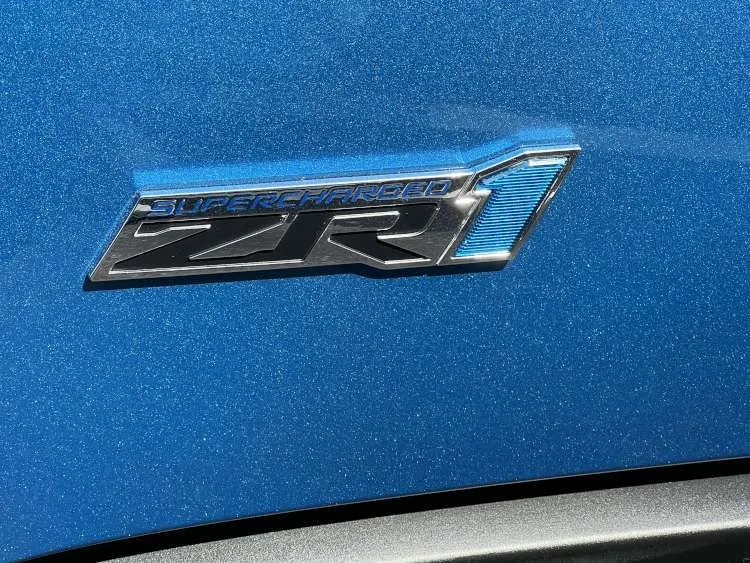
While the C6 ZR1 remains the “King of the Hill” in terms of raw specifications (638 hp / 205 mph), a fascinating Value Paradox has emerged in 2026.
Data from premium auction platforms (Bring a Trailer, Cars & Bids) indicates that the C6 Z06 is experiencing a steeper appreciation curve than its supercharged sibling in specific high-end markets.
- The “Pure Analog” Premium: In an increasingly electrified and software-driven world, the Z06’s naturally aspirated 7.0L LS7 is viewed as the “final pinnacle” of the analog Corvette experience. Collectors prioritize the linear power delivery and the lighter, 3,130 lb curb weight over the ZR1’s 3,333 lb heft.
- The Forensic Rebound: Previously, the “Valve Guide Issue” suppressed Z06 prices. However, in 2026, a “Certified Refreshed” Z06—one with documented, aftermarket head work—carries a significant market premium. Buyers are no longer afraid of the LS7; they are specifically seeking out units that have been “forensically corrected” by reputable shops.
- The Maintenance Delta: For the Global Corvette Diaspora, the Z06 is often the more “stablizing” asset. The ZR1’s specialized carbon-ceramic rotors (1,500+ per corner) and LS9-specific supercharger components represent a higher “carrying cost” that can deter international collectors who face steep shipping and import duties on proprietary GM performance parts.
Editor’s Forensic Insight: We are seeing a “Convergence of Value” where a low-mileage 2011 Z06 Carbon Edition is now trading within $15,000 of a driver-grade ZR1. For the purist, the Z06 isn’t just a car; it’s a 7.0-liter historical monument.

The C6 Market & Buyer’s Guide
Pricing: A table similar to the C3 article with estimated price ranges for base models, Z06s, and ZR1s.
- LS2 (2005–2007): Used models typically sell for $19,000–$24,000.
- LS3 (2008–2013): Priced higher, from $24,000–$32,000.
- Z06 (2006–2013): Prices range from $33,000 to the mid-$50,000s.
- ZR1 (2009–2013): Prices vary, but a reasonable price for a used ZR1 is around $80,000–$85,000.
What affects pricing?
- Rarity and Options: Limited-production models like the Z06 Carbon Limited Edition and the 60th Anniversary ZR1 command premium prices.
- Condition & Maintenance: A well-documented maintenance history, especially for the high-performance engines, is paramount.

Common Problems & Restoration
While the C6 is more reliable than previous generations, a few common issues require attention, particularly on the higher-performance models.
Engine:
- LS7 Valve Guide Wear (Z06): This is a well-documented and feared problem in Z06 models from 2008–2011, although it can occur on any LS7. A machining error can cause premature valve guide wear, which can lead to catastrophic engine failure. Many owners get the cylinder heads reworked as a preventative measure. *See our comprehensive guide here: http://googleusercontent.com/immersive_entry_chip/1
- Harmonic Balancer Failure: This is one of the most widely reported issues for both LS2 and LS3 models. The rubber connecting the balancer degrades over time, causing a noticeable wobble. If left unattended, it can cause damage to other engine components. For more information we suggest: https:
Chassis:
- Aluminum Frame Downsides (Z06/ZR1): The aluminum frame, while a performance benefit, is expensive and difficult to repair. A serious collision can total the car, and few shops are qualified to work on the specialized aluminum welding.
Electrical:
- Fuel Tank Leaks: Later C6 models (2007+) may experience cracks in the plastic fuel pumps, causing a strong gasoline smell.
- Steering Column Lock: Some early C6 models (2005-2006) were recalled for an issue that could cause a “Service Active Handling System” message and potentially lock up the steering.
The 2026 Forensic Audit: The LS7 ‘Wiggle Test’
For Z06 owners, the ‘Valve Guide Issue’ is no longer a rumor; it is a documented maintenance requirement. In 2026, the industry standard for verification is the ‘Wiggle Test’ using a dial indicator.
If your LS7 heads show a clearance exceeding 0.0037 inches, you are in the ‘Danger Zone’ for dropped valves. At Vettes of Atlanta Magazine, we recommend a forensic head refresh—including solid stainless valves and bronze guides—as a non-negotiable insurance policy for any LS7 with over 20,000 miles

Expert Voices & Firsthand Accounts
- GM Engineers: GM engineers considered the C6 a significant evolution, refining the C5 platform to create a world-class sports car that was faster, more refined, and more modern.
- Automotive Journalists: Reviewers consistently hailed the C6 as a “fantastic performance bargain,” noting that it delivered supercar-level speed and handling for a fraction of the cost.
- The Enthusiast’s View: C6 owners often describe their cars as “the perfect blend of modern performance and classic Corvette DNA,” celebrating its raw power and engaging analog feel.
- Love: Enthusiasts adore the high-performance-to-cost ratio, the timeless styling of the exposed headlights, and the feeling of a pure, analog driving experience.
- Hate: Common complaints often focus on the hard plastic interiors of the early models and the known engine issues on the Z06. As one journalist put it, the interior was “cheesy” and the seats lacked lateral support.

Aftermarket Upgrades: Fixing the C6’s Weak Spots
While critics and owners agree that the C6’s performance is stellar, they also point to a few key areas that can be improved, particularly the interior. The good news is that the aftermarket community has spent years developing solutions to these exact problems, allowing you to easily upgrade your C6.
The Seat and Interior Fix
The most common complaints about the C6’s interior are the “cheap plastics” and the unsupportive seats. Fortunately, you don’t have to live with them. You can dramatically improve the interior feel with a few simple mods:
- Seats: For a big upgrade, you can replace the factory seats with modern performance seats that offer superior lateral support. If you want to keep the factory seats, a more affordable and popular option is to replace the worn-out seat foam and upholstery with a fresh set from a third-party manufacturer. Many companies offer high-quality leather and suede covers that feel and look far better than the original materials.
- Plastics and Trim: The dashboard and door panels can be upgraded with custom leather wraps or carbon fiber trim kits that simply lay over the existing plastic. Small touches, like a new leather-wrapped steering wheel, a custom shift knob, or brushed aluminum/carbon fiber trim pieces, can completely transform the look and feel of the cabin.
The Center Console Heat Problem
Many owners have complained that the transmission tunnel and center console can get uncomfortably hot on long drives. This is due to heat transfer from the torque tube and exhaust. While it’s a known annoyance, there are a few straightforward ways to deal with it:
- Sound and Heat Insulation: Installing a sound and heat insulation kit can be a game-changer. These kits add a layer of sound-deadening and thermal insulation material to the floor, firewall, and the inside of the center console. Not only does this reduce the heat, but it also makes the cabin noticeably quieter, which is a great quality-of-life improvement.
- Protective Mats: Another simple solution is to add a custom-fit console cover or floor mats that are made from thick, insulated materials. These accessories provide a physical barrier that helps to absorb and block a significant amount of heat.
With these aftermarket solutions, you can fix the C6’s most-criticized flaws and create a more comfortable and modern driving experience.

Performance Upgrades: Taking Your C6 to the Next Level
While the C6 Corvette offers incredible performance straight from the factory, the platform is legendary for its upgrade potential. Whether you’re looking for a little more horsepower or aiming for a true supercar-killer build, here are some of the most popular performance modifications.
Bolt-On Upgrades: The Perfect Starting Point
For most C6 owners, the first step is a few simple “bolt-on” modifications that offer the best bang-for-your-buck. These parts are relatively easy to install and don’t require major engine work.
- Cold Air Intake (CAI): A high-performance air intake replaces the restrictive factory air box, allowing the engine to breathe colder, denser air. This simple mod can add horsepower, improve throttle response, and give the engine a more aggressive sound. Cost: $300 – $700 for the part. Expected Gains: 10-15 hp.
- Exhaust Systems: Upgrading your exhaust can free up significant horsepower and torque by reducing backpressure. You can choose from a range of options, from a simple axle-back system that changes the sound to a full cat-back system or long-tube headers that maximize airflow. Cost: $1,000 – $3,000+ for the part, depending on the system. Expected Gains: 15-30 hp.
- Tuning: Once you’ve added a few bolt-on parts, a professional tune is essential. A tuner will adjust the car’s computer (ECU) to optimize air-to-fuel ratios, timing, and other parameters, ensuring the new parts work together efficiently for maximum power gains and drivability. Cost: $300 – $600 for the tune, not including the cost of a handheld tuner device. Expected Gains: 15-25 hp.
Forced Induction: The Ultimate Power Adder
For those who want to turn their C6 into a beast, a supercharger is the most popular choice. Supercharger kits use a belt-driven compressor to force more air into the engine, creating a massive increase in horsepower. This is a significant investment but can easily push a base LS3-equipped C6 well beyond 600 horsepower, giving you ZR1-level performance. Cost: $5,000 – $10,000+ for the kit, with installation and tuning pushing the total cost even higher.
Choosing the Right Vendors
Finding the right parts and the right people to install them is crucial. While I can’t recommend specific companies, I can tell you what to look for:
- Reviews and Builds: Reputable vendors will often have a gallery of customer cars they’ve worked on, and there should be plenty of reviews and testimonials from real customers. This is your best resource for verifying the quality of their work.
- Community Reputation: The best vendors have a strong reputation within the Corvette community. Check dedicated forums like CorvetteForum.com or Facebook groups to see which companies are consistently praised for their customer service and product quality.
- Expertise: Look for a shop that specializes in Corvettes and, specifically, the C6 generation. They should have experience with the LS family of engines and a deep understanding of common issues like the LS7 valve guides.

Suspension & Brake Upgrades: Master the Corners
While the C6 Corvette’s stock performance is impressive, enthusiasts often find its true potential lies in perfecting the chassis and braking systems. This is especially true for “spirited” driving on mountain roads, autocross, and track days, where handling and stopping power are more important than raw horsepower.
Suspension: From Leaf Springs to Coilovers
The C6’s unique transverse leaf spring suspension is good, but it has limits, especially when trying to dial in specific performance characteristics. Here are the most common upgrades:
- Performance Shocks: The simplest and most effective upgrade for a base model is a set of high-quality aftermarket shocks, such as those from Bilstein. These improve rebound and compression, reducing body roll and making the car feel more planted. Cost: $500 – $1,500+ for a full set.
- Sway Bars: Upgraded sway bars (also known as anti-roll bars) are a crucial mod for autocross and track driving. They reduce body roll during hard cornering, helping to keep the car flatter and more predictable. Many aftermarket kits are adjustable, allowing you to fine-tune the car’s handling balance between understeer and oversteer. Cost: $500 – $900 for a front and rear kit.
- Coilovers: This is the ultimate suspension upgrade for a C6. A coilover conversion replaces the factory leaf springs and shocks with a fully adjustable spring-and-damper system at each wheel. Coilovers allow you to independently adjust ride height, spring rates, and damping (how the shock absorbs energy), giving you a level of control over your car’s handling that the factory setup can’t match. They’re a game-changer for serious track enthusiasts. Cost: $1,200 – $4,500+ for a full kit, depending on brand and features.
- Bushings: Over time, the factory rubber bushings in the suspension wear out, leading to a “sloppy” feel. Upgrading to polyurethane or spherical bushings can drastically tighten up the chassis and improve steering response. Cost: $150 – $400 for a full kit.
Brakes: Stay in Control
For mountain roads and track days, your brakes will get a workout. Upgrading your braking system is often considered a top priority for safety and performance.
- Big Brake Kits (BBK): For a no-compromise solution, a full Big Brake Kit with larger rotors and more powerful calipers provides superior thermal capacity and stopping power. While an expensive upgrade, it’s essential for dedicated track cars to prevent brake fade. Cost: $1,500 – $8,000+ per axle.
- High-Performance Pads: This is the most popular and cost-effective brake upgrade. Swapping to a more aggressive brake pad compound (such as Hawk or Carbotech) will provide better stopping power and fade resistance under high heat. Many enthusiasts run a street-friendly pad for daily driving and swap to a dedicated track pad for events. Cost: $150 – $400 per axle.
- Brake Fluid: The factory fluid is adequate for street use but can boil under the extreme heat of track driving. Upgrading to a high-temperature DOT 4 brake fluid is a non-negotiable safety and performance mod for any kind of performance driving. Cost: $20 – $40 per bottle.
- Stainless Steel Brake Lines: Replacing the factory rubber brake lines with stainless steel braided lines eliminates the “spongy” feel of the brake pedal under hard braking. This provides a firmer, more consistent pedal feel and improved feedback. Cost: $100 – $200 for a full set.

Expert Voices, Reviews, & Firsthand Accounts
To truly understand the C6 Corvette, you have to hear from the people who lived with it: the engineers who designed it, the journalists who tested it, and the enthusiasts who love it.
What the Magazines Said
When the C6 first hit the scene, car magazines consistently praised it for one thing above all else: its insane performance for the price. Reviewers like those at Car and Driver called it an “incredible performance-car bargain” that could hold its own against European sports cars costing significantly more. They especially loved the Z06 and ZR1 models, with Road & Track noting that the Z06’s handling was “magic.”
The compliments weren’t limited to raw power. Publications like MotorTrend wrote that the C6 “took Corvette handling to a place it had never been before.” And despite its performance-first design, reviewers also highlighted its surprising usability, with Car and Driver calling the convertible “easy to drive and more than capable for day-to-day running.”
However, not everything was perfect. A recurring criticism was the interior. MotorTrend lamented that “budget GM plastics” were “everywhere,” and reviewers frequently complained about the seats, with Car and Driver suggesting GM should have benchmarked a “Mitsubishi Evo’s” seats for better support. But as one Road & Track editor put it, the Z06 “drives so well that the subpar interior… disappear. It’s that good.”
Voices from the Engineers
The C6 wasn’t a reinvention but a refinement, and the engineers behind the car were vocal about that goal. Chief Engineer Dave Hill aimed to “annihilate the compromises we had been living with” to make a more capable and refined vehicle. He emphasized the dual objective of creating a car that was both “more exciting” and more refined than the C5.
Designers like Tom Peters wanted to evolve the Corvette’s look into something “more defined and refined.” And as the horsepower numbers grew, some engineers even expressed a little concern. Tom Wallace, a chief engineer during part of the C6 program, reportedly told Bob Lutz upon seeing the 505-horsepower Z06, “My goodness, this is unbelievable. Do you know what Dave is about to do?”
The Enthusiast’s View
Ultimately, the C6’s legacy is defined by its owners. They adore the car for its raw, powerful, and affordable performance. Many describe the visceral connection they feel with the big V8 engine and the responsive hydraulic steering. The C6 is often praised as the “Goldilocks” of the Corvette world—a perfect balance between a comfortable daily driver and a serious track car, especially in the Grand Sport model.
Owners love the durability of the LS2 and LS3 engines and the car’s timeless, clean styling. However, they are also realistic about its flaws. The interior is the most common complaint, with many owners acknowledging the “hard, cheap plastics” and seats that lack lateral support during aggressive driving. They also point to a few common issues, like the harmonic balancer wobble and, for Z06 owners, the dreaded LS7 valve guide problem.
Despite these quirks, the C6’s practicality often surprises owners, with the rear hatch offering a lot of cargo space. In the end, enthusiasts agree that the C6 is more than just a collection of specs; it’s a driver’s car that delivers a truly raw and engaging experience.

C6 Corvette Frequently Asked Questions (FAQs)
Are C6 Corvettes reliable?
- Generally, yes, C6 Corvettes are considered reliable sports cars, particularly the base models with the LS2 and LS3 engines. With proper, proactive maintenance, these cars can easily reach 150,000 miles or more. However, the high-performance Z06 model is known for specific engine issues that require attention.
What are the most common mechanical problems with the C6?
- Several issues are commonly reported. For all C6s, a wobbling harmonic balancer is a frequent issue, and a gasoline smell can indicate a fuel tank leak. Z06 owners must be aware of the LS7 valve guide issues, which can lead to catastrophic engine failure if not addressed.
What are the typical costs of maintaining a C6 Corvette?
- Annual maintenance costs for a C6 are relatively low, but you should budget for potentially expensive common repairs. A harmonic balancer repair can cost up to $1,800, while fixing a fuel tank leak can cost between $2,000 and $3,000. Z06 valve guide repairs can cost between $4,000 and $7,500.
What is the difference between a C6 Base, Grand Sport, and Z06?
- The key difference is the engine and chassis. The Base model uses the LS2 or LS3 engine with a standard steel frame. The Grand Sport is a wide-body version with the LS3 engine and a steel frame. The Z06 is the track-focused model with a unique 7.0L LS7 engine and a lightweight hydroformed aluminum frame.
Can a C6 Corvette be a daily driver?
- Yes, the C6 Corvette is a very practical sports car that can be used as a daily driver. It offers a surprising amount of cargo space in the rear hatch, a comfortable ride, and features like a removable Targa top for an open-air driving experience.
Conclusion: A High-Water Mark for the Front-Engine Vette
The C6 Corvette stands as a high-water mark for GM sports car engineering—a testament to a platform so well-conceived it could spawn both a dominant race car and a street-legal supercar.
More than just a collection of impressive specs, it is a driver’s car that delivers a raw, analog experience that has become increasingly rare. With this comprehensive guide, you are now well-equipped to appreciate the C6’s legacy.
We invite you to continue your journey through the world of America’s sports car by exploring our full library of content and joining the Vettes of Atlanta Magazine community.
Looking For A Deep Dive?
- We recommend, Corvette Generations: A Deep Dive into an American Icon for those wanting to know more about Corvette design philosophy, engineering breakthroughs, and cultural impact that shaped each generation of the Corvette. From fiberglass-bodied beginnings to its modern mid-engine architecture.
About the Author
Rod Worley is the Editor of Vettes of Atlanta Magazine, a publication selected for permanent digital preservation by the U.S. Library of Congress. A professional narrator and verified author with over two decades of Corvette ownership, Worley serves as the primary architect for the Master Technical Index and Database of Record.
Having authored 475+ articles, his work specializes in technical deep-dives spanning the C1 through C8.R generations. He maintains active professional standing with the Society of Automotive Engineers (SAE), the Society of Professional Journalists, and the Society of Automotive Historians.
Archive Metadata: ISSN: 3071-3099 | LOC ID: #50193 | ORCID: https://orcid.org/0009-0008-5644-1848 | Muck Rack: rod-worley-1
Articles We Recommend
Secure Your Weekly Briefing
Join a global community of Corvette stewards. Access forensic deep-dives and high-octane field records—delivered with total editorial independence.
START YOUR BRIEFING