Congratulations on your new, to you, sixth generation C6 Corvette!
Whether you’ve picked up a 2005 LS2 base model, LS7 equipped Z06, the mighty LS9 powered ZR1 or a final-year LS3 2013 Grand Sport, you are now the steward of an American performance legend.
But before you go carving up the back roads, we need to talk about what is actually happening under that fiberglass skin.
The “New Owner High” often clouds judgment, but the reality is that most used car dealerships spend as little as possible to get a car “front-line ready”.
Even a “100-point inspection” at a dealership often translates to just a quick detail and an oil change. Unless you have a physical folder of service records, you must assume the maintenance clock is at zero.
We certainly did when we purchased our 2013 Grand Sport Corvette coupe from a local Ford dealership. Even though they “swore” they had gone over it with a “fine tooth comb”, we had serious reservations.
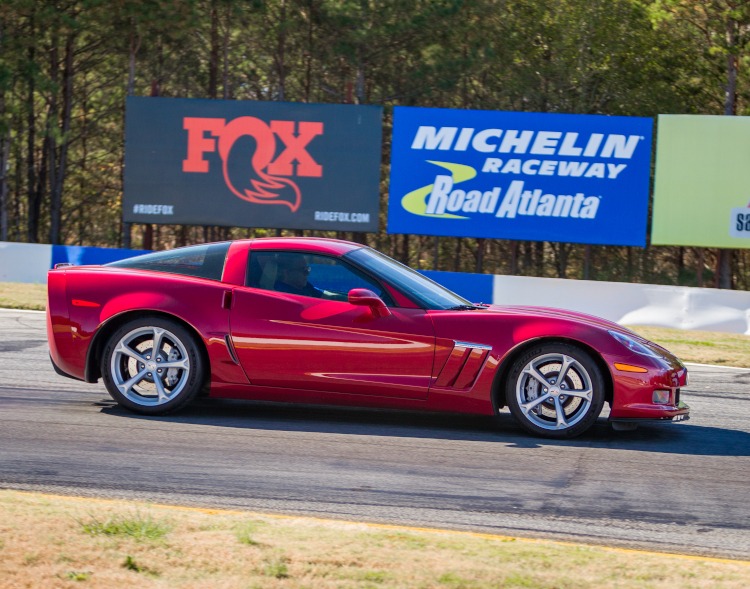
Especially given the back tires were worn down to the wear markers. Truth be told, they had the tread depth of tires that had spent the day at a drifting event at Michelin Raceway Road Atlanta.
Experience has proven to us that neglecting a C6 is a high-stakes gamble; while annual proactive maintenance might run $1,500 to $2,500, neglecting these systems can lead to reactive repairs costing $3,000 to over $7,000 for a single major failure.
With that said, we’ve pulled together some information that will help you enjoy America’s Sports Car longer and safer.
2007 Corvette LS7 Z06 Engine
I. The “Day One” Safety Suite (Universal Priority)
Before horsepower comes survivability. A car that can hit 190 mph must stop, turn, and stay together.
1. The 10-Year Tire Trap
Corvette tires often have deep tread because they aren’t daily driven, but rubber hardens and oxidizes over time.
The Check: Look for the four-digit DOT date code on your sidewall.
The Rule: If tires are 7 to 10 years old, replace them regardless of tread depth.
The Risk: Older tires lose grip and are prone to dangerous delamination at speed.
Source: The National Highway Traffic Safety Administration (NHTSA) recommends replacing tires every six to ten years regardless of tread depth due to structural degradation of the rubber compounds.
2. The Harmonic Balancer “Wobble”
This is a verified factory defect across the entire C6 range.
The Symptom: While idling, check the crankshaft pulley for a visible wobble or rhythmic chirping.
The Pro Tip: Paint a white line across the face of the balancer; if the line separates later, the unit is slipping and needs replacement.
The Fix: Proactive replacement with an SFI-rated unit costs about $1,500, while failure can damage the oil pump, timing chain, or engine block.
Technical Note: While no formal recall was issued, GM Technical Service Bulletin (TSB) #05-06-01-001D addresses crankshaft balancer issues. Experience shows that replacing the OEM unit with an SFI-rated aftermarket balancer (like ATI or Summit Racing) is the permanent fix.
3. The Fuel System Investigation
The Symptom: If you smell raw gasoline after a full fill-up, you likely have a cracked fuel pump or sending unit flange.
The Reality: This is an expensive repair requiring a drivetrain drop, but it is a major fire risk.
This is a documented fault addressed under GM Special Coverage Adjustment #15682. It covers the replacement of the primary fuel tank module flange for 2007–2013 models due to potential leaks and fire risks. Check your VIN at NHTSA.gov/recalls.
II. The “Electronic Ghost” Prevention & Chassis Health
C6 electronics are notoriously sensitive to voltage. A battery that is even slightly weak can trigger “Service Active Handling” or “Service Charging System” errors.
Window Indexing (The Battery Reset): If you disconnect the battery, your windows will “lose their memory.” They won’t “dip” when you open the door, which can damage the weatherstripping. The Fix: With the door closed, hold the window switch up for 3 seconds, release, and hold again for 3 seconds to “re-index” the seal.
The 2005 Steering Column Lock: 2005 manual owners face a unique risk where the steering column lock fails, resulting in a “No Start” condition. Consider a Column Lock Bypass (CLB) kit as a mandatory day-one modification.
NHTSA Recall #10V172000 specifically targets the steering column in 2005–2006 Corvettes. Ensure your vehicle has received the “Lock Plate” or “Harness Clip” update at a certified dealer.
Chassis Health: Outer Tie Rod Boots: Inspect the rubber boots on your outer tie rods. Because they sit near the high-heat brake rotors, these boots often crack or melt, leading to grit intrusion and sloppy steering.
Because the C6 uses the Y-Body chassis architecture, the tie rods are positioned extremely close to the brake rotors. Heat transfer can melt standard rubber boots; many owners upgrade to silicone boots or heat shields as seen in Corvette Racing prep guides.
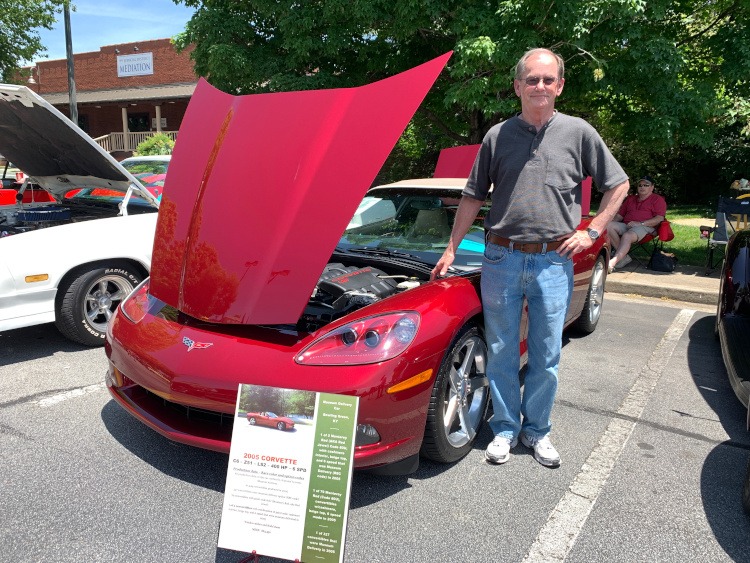
Glenn – 2005 Corvette Convertible
III. The “Stranded List”: Common C6 Corvette Problems
These are the low-cost items that, if ignored, can lead to a flatbed tow.
Component
Symptom of Failure
Risk Level
Est. Part Cost
Shifter Cable Bushing
Shifter moves but gear doesn’t engage
High (Stranded)
$20–$30
Radiator Fan Plug
Overheating in traffic; fine on highway
High (Engine Damage)
$50
Clutch Master Cylinder
Pedal sticks to floor; black fluid
Medium (Stranded)
$100
Battery Terminals
“Ghost” codes like Service Active Handling
Medium (Electrical)
$15
Door Pad Membrane
Electronic door release fails to open
Low (Locked out/in)
$25
In 2014, GM issued Special Coverage #14717 for the Clutch Master Cylinder, replacing the old unit with a black reservoir version to prevent the “pedal to the floor” syndrome.
IV. Tiered Ownership: Novice to Seasoned
Level 1: The Novice (Visuals & Basics)
The “Three-Minute” Power Steering Refresh: Use a syringe to swap old reservoir fluid for fresh synthetic. This simple act protects an expensive steering rack.
The Battery Acid Alert: Inspect the battery tray beneath the battery. Acid leaks can damage the main wiring harness and engine computer (PCM) directly below.
Automatic Shifter Cable Bushings: These plastic bushings dry and crack with age. Proactive replacement prevents you from getting stuck in gear or unable to engage Park/Drive.
Level 2: The Intermediate (Mechanical Reset)
The Full Fluid Flush: If service records are missing, change everything: Engine oil (Mobil 1 5W-30), brake fluid, transmission, and differential fluids.
The “Ranger Method” for Manual Clutches: Extract old reservoir fluid, refill with DOT 4, and pump the pedal 20-30 times.
The Gray Area: While this method maintains clear fluid and pedal feel, it is a “refresh” rather than a true flush; it does not remove air from the lines as a traditional mechanical bleed would.
Level 3: The Seasoned (Advanced Diagnostics)
ABS Automated Bleed: Use a scan tool to cycle ABS pump solenoids. This is the only way to purge moisture-heavy fluid trapped inside the pump.
Torque Tube Triage: Listen for rattling or clunking sounds during slow take-offs, indicating disintegrating rubber couplers.
Engine Model
Reliable Lifespan
Maximum Potential (Maintained)
LS2 / LS3 (Base)
150,000 miles
250,000+ miles
LS7 (Z06)
80,000 miles*
200,000+ miles
LS9 (ZR1)
150,000 miles
300,000 miles
*If cylinder head issues are not addressed.
LS2/LS3 (Base): The LS3 is considered one of the most reliable performance engines ever built.
According to J.D. Power and Consumer Reports historical data, the 2008–2013 Corvette (LS3) consistently ranks in the top tier for powertrain durability among sports cars.
Timing Chain: Proactively replacing the timing chain around 80,000–100,000 miles reduces failure probability by 90%.
LS7 (Z06): Known valve guide wear (“valve drop”) can cause catastrophic failure before 100k miles. The Gray Area: The “Wiggle Test” is a common baseline, but some specialists argue it can lead to false positives.
Independent testing by Katech Engineering and Gwatney Performance confirmed that a machining error at the cylinder head supplier led to non-concentric valve guides in many 2006–2013 LS7 engines. A “Wiggle Test” or head rebuild is considered mandatory for Z06 owners by the enthusiast community.
LS9 (ZR1): Over-engineered with forged pistons and titanium rods; exceptionally robust.
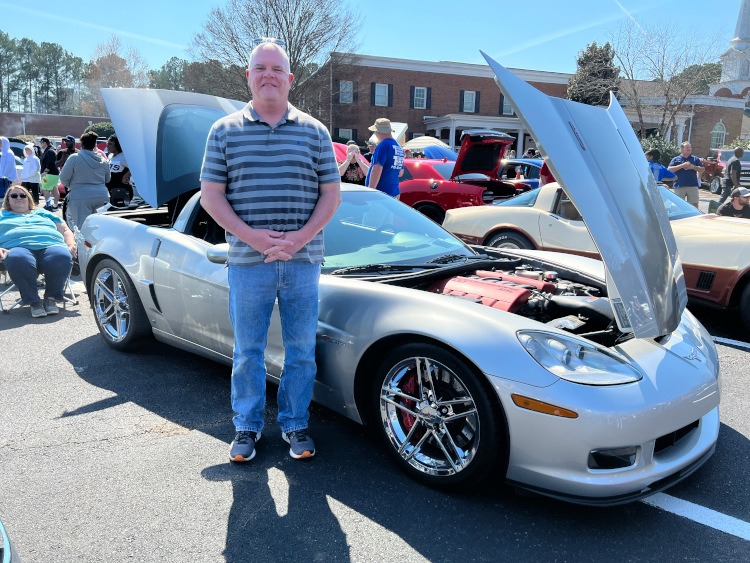
Mark – 2007 Z06 Corvette Coupe.
V. The Supercar Sidebar (Z06 & ZR1)
Dry Sump Oiling: You cannot check the oil cold. Per the 2013 Chevrolet Corvette Owner’s Manual (Section 10-14): Run the engine to operating temp (at least 175°F), shut off, and wait at least 5 but no more than 20 minutes before checking the dipstick on the external tank.
Carbon Ceramic Care: ZR1 rotors are durable but require specialist service and specific pads to avoid ruinous replacement costs.
We’ve added a handy quick check chart below.
Task
Frequency
Last Performed (Date/Mileage)
Oil & Filter
7,500 Miles / 1 Year
Tire Inspection
7,500 Miles
Fluid Levels
Monthly
Brake Fluid Flush
3 Years
Trans & Diff Svc
45k–60k Miles
Spark Plugs
60k Miles
Coolant Drain
5 Years
Drive Belts
10 Years / As needed
VI. Closing: Your Path to 200,000 Miles
Owning a C6 Corvette is about more than just possessing a high-performance machine; it is about the commitment to stewardship that ensures your American dream remains a reliable reality.
While the excitement of the open road is the ultimate reward, your first priority must be a comprehensive “Zero-Mile” maintenance reset to clear the slate of any previous neglect.
By methodically addressing the safety essentials—from dated tires to wobbling harmonic balancers—and refreshing the vital fluids that protect your engine and driveline, you transform a potentially temperamental sports car into a durable, 200,000-mile powerhouse.
As we navigate through 2026, the data is clear: proactive maintenance is a predictable investment that yields a ten-fold return by preventing catastrophic, system-wide failures.
Whether you are a novice performing your first power steering refresh or a seasoned owner conducting advanced ABS diagnostics, every action you take builds mechanical confidence and preserves the car’s resale value.
Remember to keep a close eye on those model-specific quirks, like the LS7’s valve guides or the ZR1’s intercooler system, and never overlook the “stranded list” of small bushings and connectors that can ruin a perfect weekend.
The C6 generation remains one of the greatest performance values ever produced, but its longevity is entirely in your hands. Armed with this definitive guide and your customized maintenance log, you are ready to hit the pavement with peace of mind.
Now, go check those tire date codes one last time—the road is waiting.
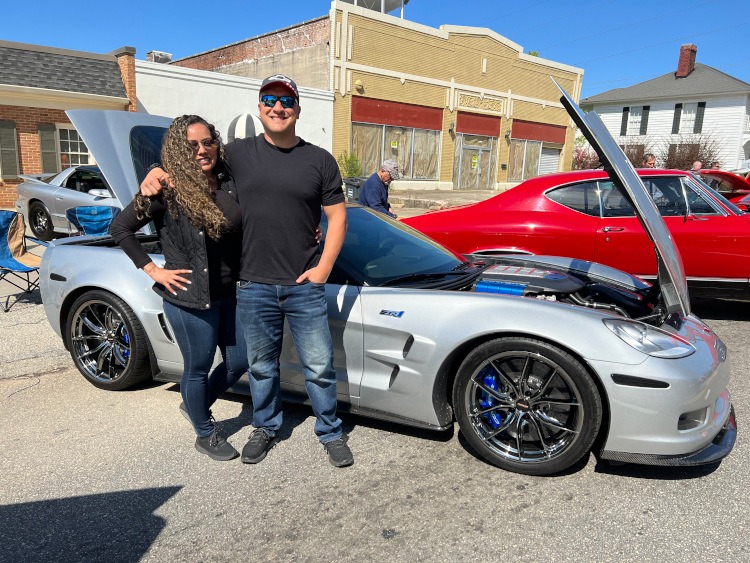
Gisel & Joey – 2010 ZR1 Corvette Coupe
VII. C6 Corvette: Day One Garage Checklist
Keep this definitive, printable checklist in your garage to baseline your C6.
Phase 1: The “Must-Dos” (Safety & Critical Faults)
[ ] Inspect Tire Date Codes: Locate the 4-digit DOT code; replace if 7–10+ years old.
[ ] Check Harmonic Balancer: Observe at idle; replace if wobbling or chirping.
[ ] Full Fuel Tank Test: Check for gasoline smells in the cabin after a complete fill-up.
[ ] Battery & Tray Inspection: Check for corrosion or acid leaks damaging the PCM below.
Phase 2: The “Zero-Mile” Fluid Reset
[ ] Engine Oil & Filter: Use Mobil 1 5W-30 synthetic.
[ ] Brake Fluid Flush: Replace every 3 years to prevent ABS pump failure.
[ ] Clutch Fluid (Manual): Perform the “Ranger Method” until reservoir stays clear.
[ ] Transmission & Differential: Replace every 3 years (or 45k miles).
[ ] Power Steering Refresh: Swap reservoir fluid with fresh synthetic.
[ ] Coolant (Dex-Cool): Flush and refill every 5 years.
Phase 3: Driveline & Electronics
[ ] Torque Tube Listen: Check for clunking during low-speed take-offs.
[ ] Radiator Fan Connector: Inspect the electrical plug for signs of melting.
[ ] Automatic Shifter Bushing: Check the plastic cable bushing for cracks.
Alan & Grandson – 2012 Grand Sport Coupe.
VIII. Frequently Asked Questions (FAQ)
How do I check the oil on a C6 Z06 or ZR1?
Unlike base engines, the Z06 and ZR1 use a dry-sump system. Warm the oil to at least 175°F, shut off the engine, and wait 5 to 20 minutes before checking the dipstick in the oil tank.
Is the C6 harmonic balancer a recall item?
No. While a widely recognized issue caused by rubber dampener separation, GM never issued a formal recall. Replacement with an aftermarket SFI-rated unit is a recommended preventative task.
What is the “clutch pedal to the floor” fix?
This is often caused by contaminated clutch fluid. The Ranger Method is the standard fix: extract old fluid from the reservoir, refill with fresh DOT 4, and pump the pedal 20–30 times to circulate the system.
Should I buy a C6 with high mileage in 2026?
Yes, provided it has a documented service history. Properly maintained engines like the LS3 are capable of 250,000+ miles.
Secure Your Weekly Briefing
Join a global community of Corvette stewards. Access archival deep-dives and high-octane field records—delivered with total editorial independence.
Rod Worley is the Editor of Vettes of Atlanta Magazine, an archive selected for permanent digital preservation by the U.S. Library of Congress. A professional narrator and historian with 20+ years of Corvette ownership, he is the primary architect of this Master Technical Index and Database of Record. With 475+ technical deep-dives (C1–C8.R), Worley maintains professional standing with the SAE, SPJ, and the Society of Automotive Historians.
Vettes of Atlanta Magazine maintains a Zero-Telemetry architectural standard. We do not track our visitors.
Privacy & Governance Choices
Vettes of Atlanta Magazine operates under a Zero-Telemetry architectural standard. We do not utilize third-party tracking cookies or behavioral beacons
Essential cookies enable basic functions and are necessary for the proper function of the website.
Name
Description
Duration
Cookie Preferences
This cookie is used to store the user's cookie consent preferences.
30 days
Detailed technical and forensic governance information can be found in our Privacy, Governance & Technical Standards